What if the right home style in Lowry could make your daily life easier, your weekends calmer, and your investment stronger? Lowry offers a rare mix of historic character and modern convenience, which can make the choice feel exciting and a bit overwhelming. In this guide, you’ll learn how each home type in Lowry lives day to day, the key tradeoffs to consider, and which options tend to fit common buyer goals. Let’s dive in.
Why Lowry is a unique fit
Lowry is a master-planned neighborhood created from the former Lowry Air Force Base, with preserved buildings, new parks, and a central Town Center. The result is a walkable community with a clear sense of place and a variety of home styles. You see it in the converted hangars, the Steam Plant, and the thoughtful residential pockets added along former runways and aprons.
If you enjoy neighborhoods with a story and strong everyday amenities, Lowry delivers. You can explore more of the neighborhood’s redevelopment history through the community’s overview of its art, history, and reuse plan, and the Lowry Foundation’s building index shows how key structures were preserved.
Home styles in Lowry
Repurposed historic lofts
In and around the original base core, historic buildings were intentionally preserved and adapted into residential and mixed-use spaces. Examples include Steam Plant Lofts and Grand Lowry Lofts, plus residences near the hangar districts. Interiors often feature exposed brick, tall ceilings, and large industrial-style windows.
- Pros: character-rich spaces, open layouts, strong walkability near shops and dining. The nearby aviation museum at Hangar 1, Wings Over the Rockies, is a cultural anchor for the area.
- Consider: outdoor space is limited compared with detached homes, storage varies by building, and some systems may be older depending on the conversion.
To explore how these buildings were preserved and reused, see the Lowry Foundation’s building index of historic sites.
Detached single-family homes
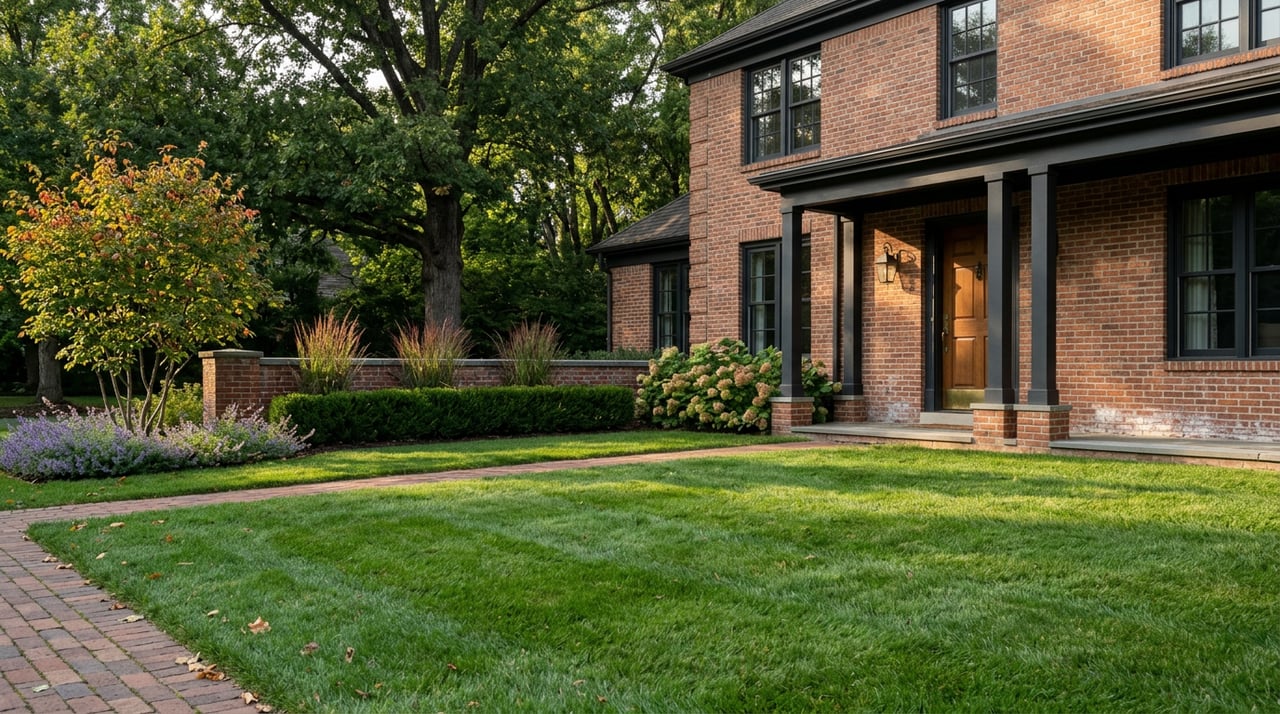
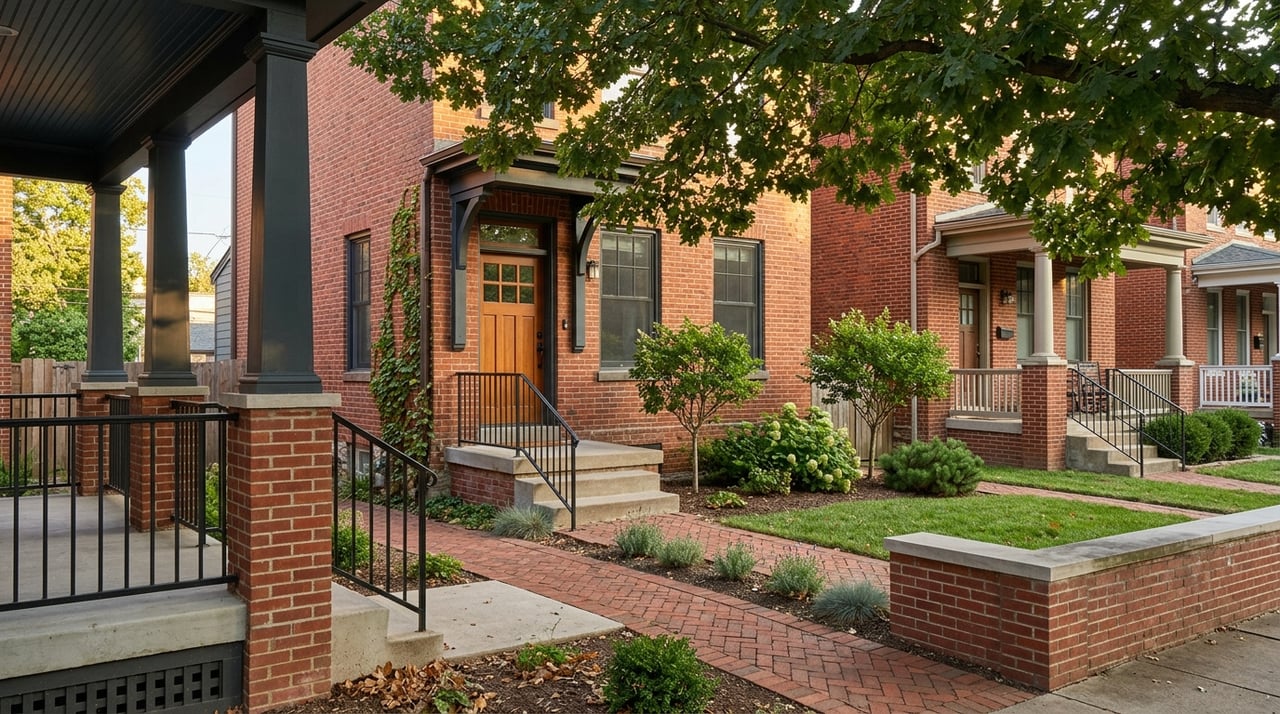
Across several Lowry neighborhoods, including East Park and established residential pockets in the northwest portion of the plan, you’ll find detached homes built from the late 1990s forward, with newer custom infill sprinkled in. These typically offer yards, garages, and more privacy, along with proximity to parks and the Town Center.
- Pros: private outdoor space, traditional room counts, and the feeling of a classic neighborhood street.
- Consider: higher ongoing maintenance and usually a higher entry price than condos or townhomes.
For broader neighborhood context on how these areas came together, see the community’s history and redevelopment overview.
Townhomes and Boulevard One
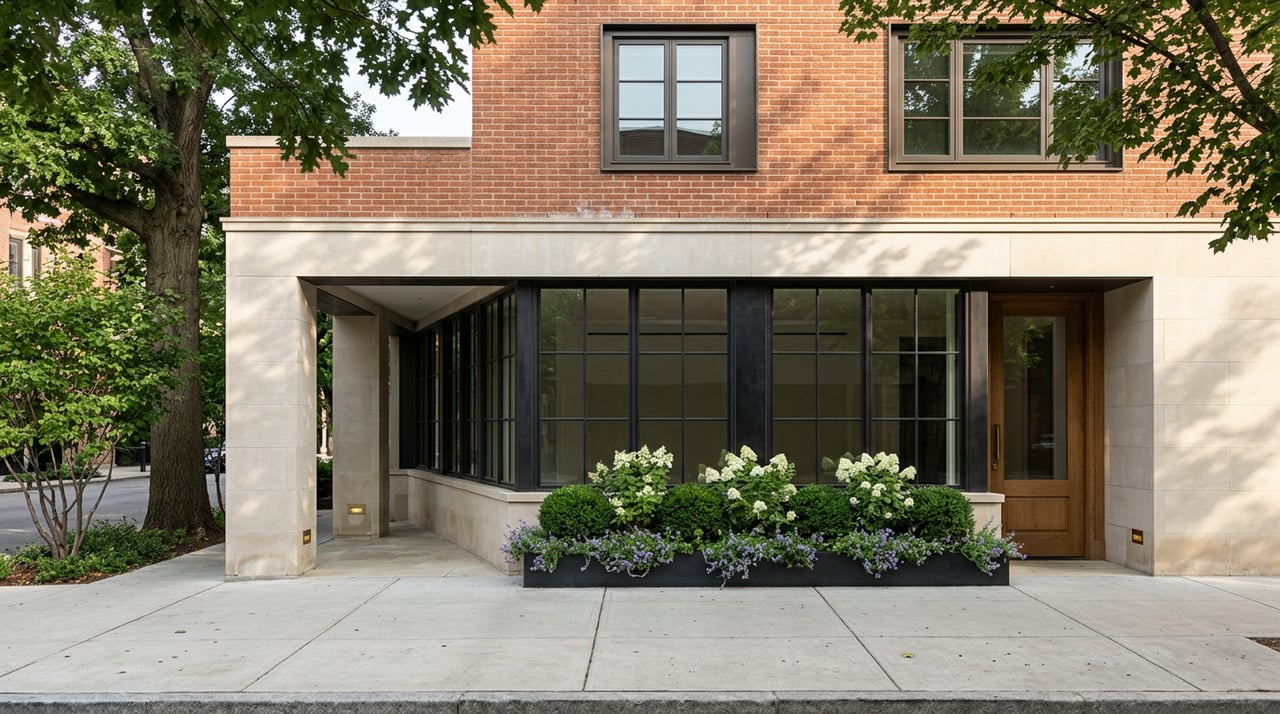
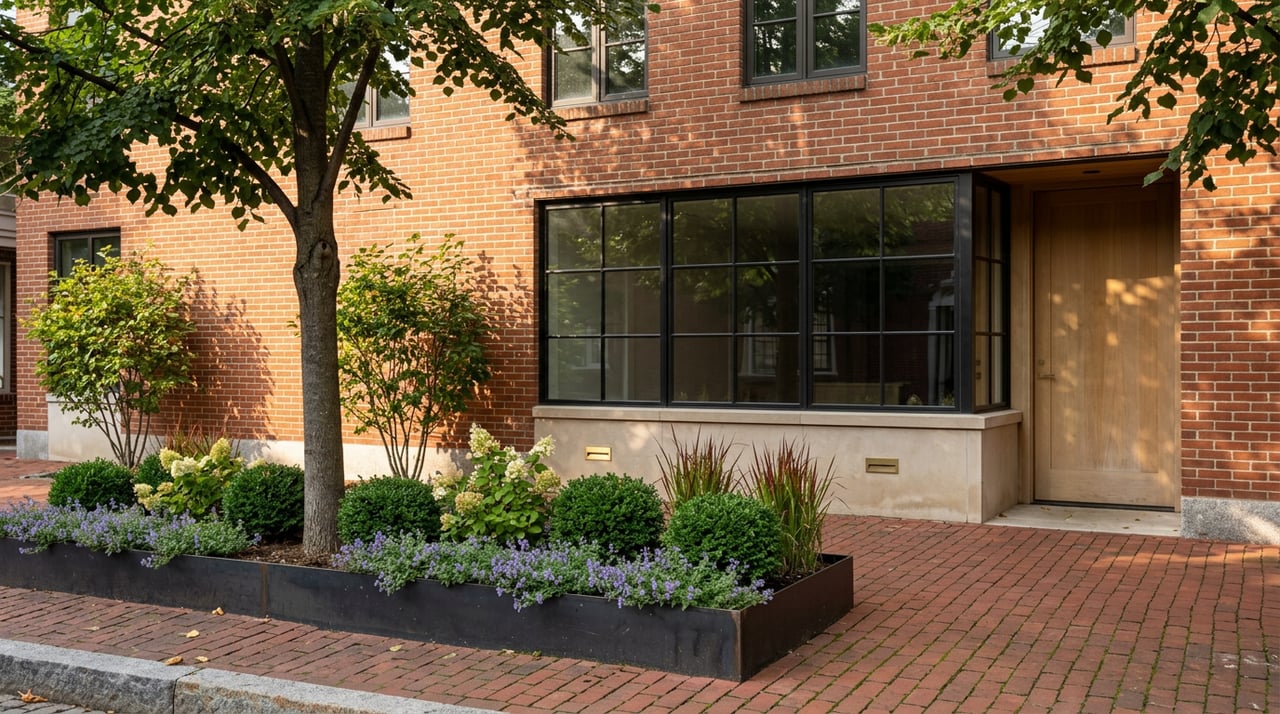
Lowry includes modern, multi-level townhomes that deliver a lock-and-leave lifestyle with more space than a condo. The newest concentration appears in Boulevard One, part of the Buckley Annex redevelopment, which the city approved as a mixed-use district with homes and retail. That plan created a meaningful pipeline of for-sale and rental product. You can read about the city’s approval of the larger Lowry project in local coverage by BusinessDen.
Many of these townhomes feature attached two-car garages, roof decks, and modern systems, and some series from local builders offered elevator options. For a sense of typical layouts and features, review Koelbel Communities’ CityHomes series at Boulevard One as presented on this community overview.
- Pros: low maintenance, attached garage, contemporary finishes, and excellent walkability to parks and dining.
- Consider: monthly HOA fees and less private yard than a detached home.
Condos and apartments
Condos in Lowry appear both in converted base buildings and in purpose-built communities near the Town Center and hangar districts. Floor plans, parking options, and amenities vary.
- Pros: lower maintenance and a typically lower price point than townhomes or detached homes, with strong access to retail and parks.
- Consider: parking can be limited in some loft and older buildings, and layouts vary widely by building.
Age-targeted and senior living
Lowry includes age-targeted and assisted living options that appeal to downsizers who want amenities, services, and a central location. Aspen Village at Lowry is one of the publicly listed retirement community options noted in the area. See a neutral directory reference for Aspen Village at Lowry for general context.
Quick match guide: your priorities to product types
Use this checklist to align your lifestyle goals with Lowry’s most common home styles:
- Low maintenance and walkability to shops and dining: condo, loft, or a townhome near the Town Center or Hangar 2 dining. See the neighborhood’s art and history page for the walkable core’s context.
- Yard and privacy: detached single-family homes in East Park or other established residential pockets, with the tradeoff of more ongoing maintenance.
- Historic character and dramatic interiors: Steam Plant or Grand Lowry lofts and Officers’ Row conversions highlighted in the Lowry Foundation’s historic building index.
- New systems and lock-and-leave convenience: newer townhomes in Boulevard One and other recent infill, often with garages and roof decks. See BusinessDen’s coverage of Boulevard One’s approval.
- Downsizing and accessibility: age-targeted communities or condos with elevators and single-level living.
Key tradeoffs to weigh
HOA vs. homeowner maintenance
Townhomes, condos, and lofts often shift some exterior maintenance and certain utilities to the HOA. You pay a monthly fee but reduce personal maintenance. Detached homes shift more upkeep and risk to you as the homeowner. Always review the HOA budget, reserves, and rules for the specific property you are considering.
Parking and storage
Townhomes usually include an attached two-car garage, which helps with gear storage. Loft conversions and some condos may have a mix of assigned spaces, shared garages, or leased stalls. Verify the exact parking rights and any storage lockers in the listing documents.
Historic designation and approvals
Some properties sit within local or national historic designations, which can shape exterior changes and major renovations. Before you plan a remodel, confirm whether a street or building falls within a landmark overlay, such as Officers’ Row or the Lowry Technical Training Center historic district. For background, consult the List of Denver landmarks and National Register documentation, such as the Lowry Technician Training Building record.
Environmental history and disclosures
As a former Air Force base, Lowry underwent environmental cleanup as part of redevelopment. The Lowry Redevelopment Authority oversaw many responsibilities. When evaluating a specific property, ask for disclosures and any relevant site history. For context, the U.S. environmental program site summarizes the base’s ongoing review process in a five-year review report.
Market snapshot and value cues
Lowry includes a broad price spread by product type. Smaller condos or early loft conversions may trade well below the cost of newer townhomes and detached homes, while recent townhome series and custom infill often command a premium tied to garages, outdoor spaces, and finish level. As a time-stamped reference, recent public portal snapshots placed the neighborhood’s median listing price around the mid 700-thousands, and late 2024 public records showed a newer Lowry townhome closing around 1.55 million. These figures shift with the market and product mix.
What matters most is context:
- Compare recent closed sales for the same product type, size, and finish level.
- Weigh HOA fees against included services and capital reserves.
- Consider the premium for a walkable location near Town Center or Hangar 2, or for rare features like elevators and roof decks.
- For historic product, quantify any renovation limits that could affect long-term plans and resale.
What to look for when touring
- Light and layout: In lofts, note window orientation and how open plans work for furniture. In townhomes, check stair counts and roof deck access. In detached homes, evaluate yard usability and sun exposure.
- Systems and sound: In adaptive reuse buildings, confirm window upgrades, HVAC age, and any sound attenuation. In townhomes, compare party-wall construction and insulation between builders.
- Parking and access: Verify garage dimensions for SUVs, and check visitor parking if you host often. For condos and lofts, confirm elevator access and loading options.
- HOA health: Request budgets, reserve studies, and meeting minutes. Look for clear maintenance plans and adequate reserves.
- Nearby anchors: The hangar district, Wings Over the Rockies museum, Town Center retail, and parks all shape daily convenience. A private school option, Stanley British Primary School, is housed on the former campus as well.
Boulevard One and future inventory
One of Lowry’s most notable recent areas is Boulevard One, created on the Buckley Annex parcel. The city approved plans for a mixed-use district here, which has delivered modern townhomes, apartments, and for-sale homes along with new retail. This matters if you want new or nearly new construction, a walkable setting, and a low-maintenance lifestyle. For the planning context, see BusinessDen’s report on the city’s approval of the Boulevard One project.
A quick history lens for buyers
Understanding the base-to-neighborhood story helps you value Lowry’s assets. Many original structures were repurposed rather than removed, which created a backdrop of authentic brick, steel, and glass elements that new construction cannot duplicate. The neighborhood’s history and art overview and the Lowry Foundation’s building index are useful primers. Expect this character and walkability to carry long-term appeal.
The bottom line
If you want low maintenance and walkable convenience, a condo, loft, or townhome near Town Center or the hangar district will likely feel right. If you want a yard, privacy, and more traditional living, target detached homes in East Park and other residential pockets. If you love volume, history, and conversation-piece interiors, the Steam Plant and Grand Lowry lofts will rise to the top.
Ready to compare real listings and fine-tune what fits your life and budget? Reach out to Julie Egan & Sallie E Grewe for a private consultation. We will help you evaluate HOA health, historic or environmental nuances, and the specific value drivers for each Lowry home type.
FAQs
What are the main home styles in Lowry, Denver?
- Lowry offers repurposed historic lofts, detached single-family homes, modern townhomes in areas like Boulevard One, and a range of condos and age-targeted communities.
How do HOAs impact Lowry condos and townhomes?
- HOAs typically cover some exterior maintenance and shared utilities, which reduces personal upkeep but adds a monthly fee; always review budgets, reserves, and rules for the specific property.
Are historic Lowry properties hard to renovate?
- Some buildings or streets may fall under landmark or historic guidelines, which shape exterior changes; verify overlays through resources like the List of Denver landmarks before planning work.
Why does Boulevard One matter for buyers?
- Boulevard One added new and nearly new homes in a mixed-use setting, creating more modern, low-maintenance options with strong walkability; see BusinessDen’s approval coverage for planning context.
Should I worry about environmental issues from the former base?
- Cleanup and long-term monitoring were part of redevelopment; request seller disclosures and review context like the base’s five-year review report when evaluating a specific property.