Looking for a Denver neighborhood that feels calm and established without giving up central access? University Park and Observatory Park stand out for exactly that reason. If you want tree-lined streets, open space, and a residential feel close to transit, DU, and major corridors, this area deserves a closer look. Let’s dive in.
Why University Park Feels So Distinct
University Park is a broader south Denver neighborhood bounded by I-25, Yale, Colorado Boulevard, and University Boulevard, according to the University Park Community Council. Within that area, Observatory Park sits at the center as the original park and one of the neighborhood’s best-known landmarks. In everyday local use, the two names are closely connected.
That overlap matters when you are searching for a home. You may see listings refer to University Park, Observatory Park, or both, even when they are describing the same general DU-adjacent area. In practical terms, the neighborhood functions as one connected residential setting with the park, campus, and surrounding blocks shaping its identity.
What Creates the Quiet Central Feel
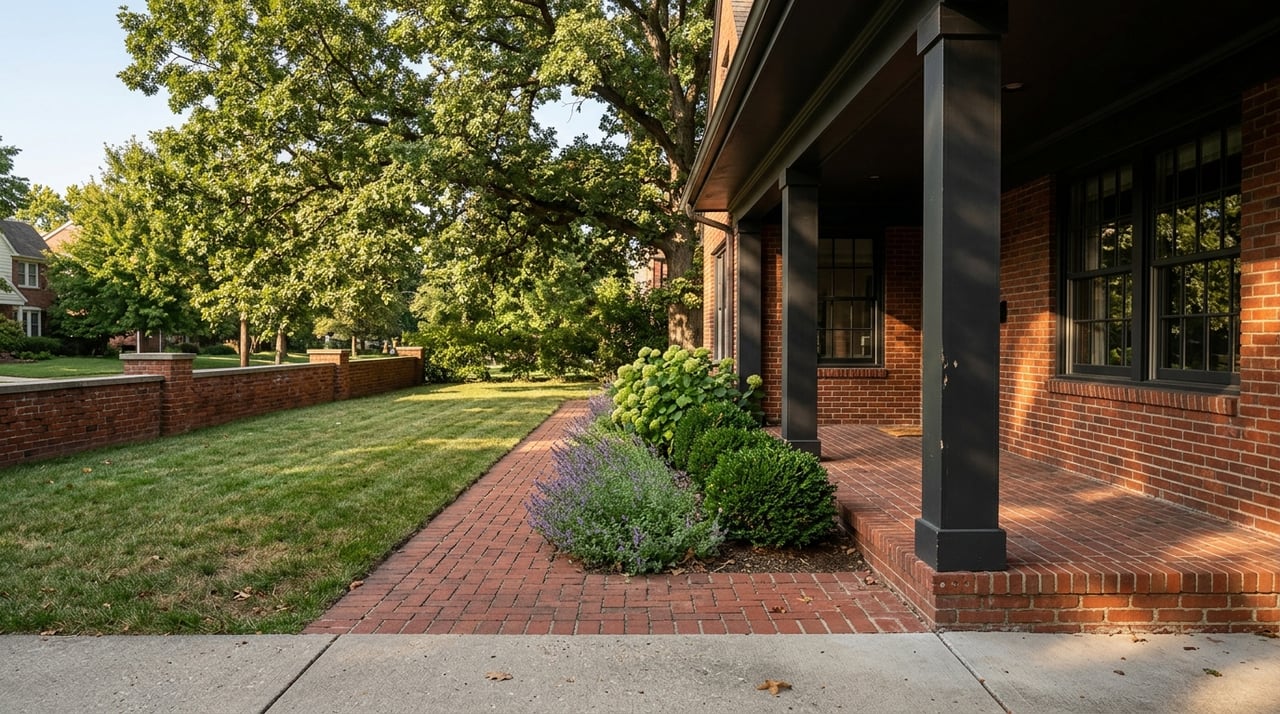
The biggest draw here is balance. You are close to the heart of Denver, but the neighborhood plan describes University Park as a peaceful setting with a strong open-space network, street trees, and landscaped setbacks. That physical design helps the area feel calmer than many other central neighborhoods.
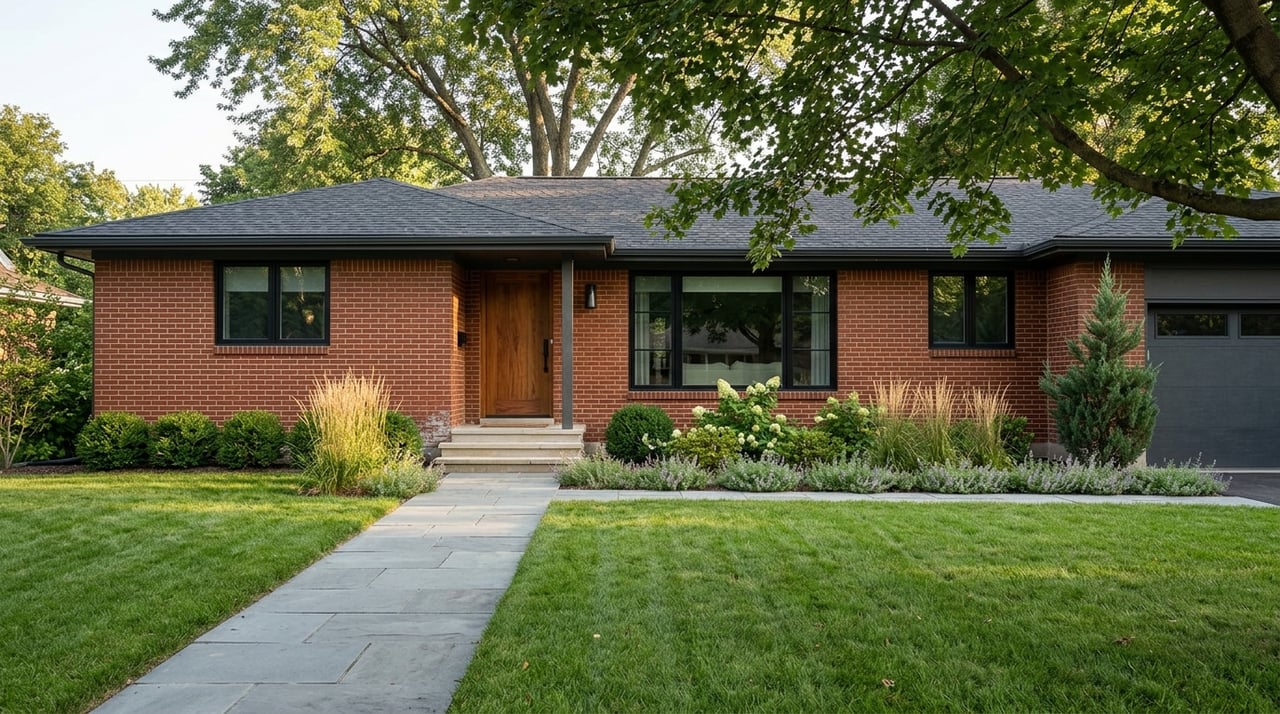
The residential pattern reinforces that impression. Denver’s neighborhood plan says about 69% of the net acreage is in single-family use, and retail is limited within the interior blocks. Most commercial activity stays along South University Boulevard and South Colorado Boulevard, which helps preserve a quieter atmosphere on neighborhood streets.
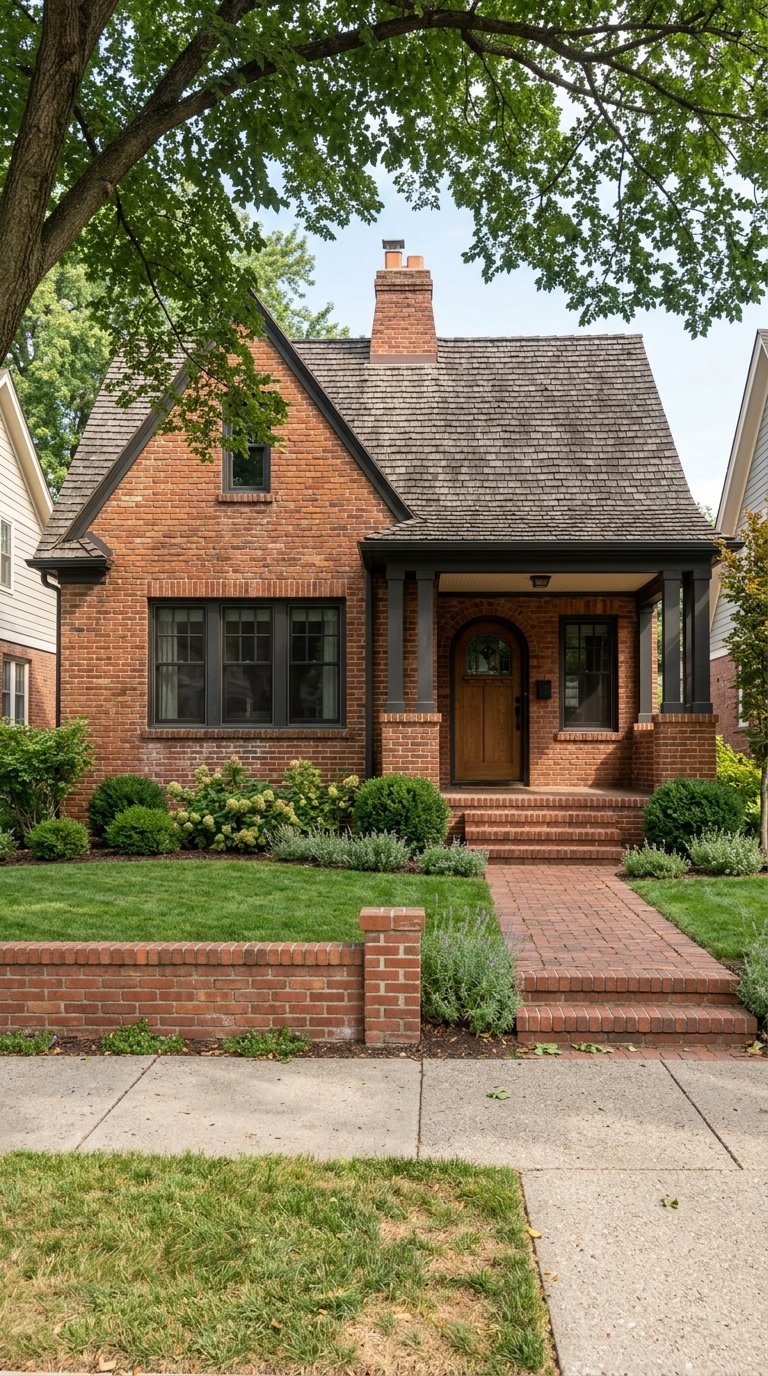
Historical accounts add another layer of character. Denver Public Library describes long tree-lined residential streets, spacious lawns, and mostly one-story single-family homes. Together, those details help explain why the area feels established, green, and residential rather than busy or overly built up.
Observatory Park as a Neighborhood Anchor
Observatory Park is more than a park name on a map. The University Park Community Council notes that it is city-owned, spans two city blocks, and serves as a gathering place for community events. That gives the surrounding area a clear center and adds to the neighborhood’s sense of place.
The nearby Chamberlin Observatory adds another distinctive feature. Owned and operated by the University of Denver, this Romanesque red-sandstone landmark dates to the 1890s and hosts recurring public outreach nights and open houses through the Denver Astronomical Society. For buyers who value neighborhoods with history and recognizable landmarks, that is a meaningful part of the appeal.
How DU Shapes Daily Life
The University of Denver is one of the area’s defining institutions, but it does not turn the whole neighborhood into a dense campus district. DU serves as a cultural anchor, offering events, performances, gallery programming, and community resources for neighbors. That can add activity and interest without overwhelming the residential blocks around it.
This is one reason the area appeals to many central Denver buyers. You get access to arts, events, and an established campus environment nearby, while much of the surrounding neighborhood remains primarily residential. If you want a location with energy close at hand but not on every block, that balance can be hard to find.
Everyday Amenities Stay Close
University Park is not a neighborhood defined by nonstop commercial activity. In fact, Denver’s neighborhood plan notes that retail and services are limited overall, with the strongest clusters along the edges. For many buyers, that is part of the charm.
You can still reach everyday spots without much effort. South University Boulevard includes neighborhood retail and services, while Evans adds campus-adjacent dining and convenience. Pete’s University Park Cafe on East Evans is one example of the kind of long-running, casual local spot that helps shape the area’s day-to-day rhythm.
Trails, Parks, and Open Space
If green space matters to you, this area checks an important box. The neighborhood plan highlights an “emerald necklace” of parks, landscaped setbacks, and street trees that run through the broader area. That network helps the neighborhood feel visually softer and more open.
Beyond Observatory Park itself, nearby assets include McWilliams Park, the Harvard Gulch Trail, and the Buchtel Boulevard Trail. These spaces support walking, biking, and everyday outdoor time without needing to leave the neighborhood. For many buyers, that easy access to green space is a major reason to look here.
Getting Around From University Park
One of the strongest arguments for University Park is convenience. RTD’s University of Denver Station at 1901 E. Buchtel Boulevard serves the E and H light-rail lines, giving you a direct transit option in the area. That is a real advantage if you want mobility without living in a denser urban-core setting.
The neighborhood is also benefiting from Denver’s University Neighborhoods Safer Streets program. Improvements around Buchtel, Evans, University Boulevard, and Colorado Boulevard are focused on sidewalks, bike connections, and intersections. In simple terms, the area continues to invest in safer and more connected ways to move around.
Who Is Drawn to This Area
University Park and Observatory Park often appeal to buyers who want character, location, and a quieter residential setting. If you value mature trees, established homes, and a neighborhood that feels rooted rather than trendy, this pocket of Denver may rise to the top of your list. It offers central positioning without the constant intensity of busier in-town districts.
The area can also be compelling if you want proximity to the university, nearby trails, and recognizable community landmarks. Whether you are looking for a primary residence or planning a move within central Denver, this neighborhood offers a combination that feels increasingly rare: calm streets, local identity, and practical access.
What To Know When Touring Homes Here
As you explore the neighborhood, it helps to pay attention to micro-location. Some homes sit closer to the park and observatory, while others are more connected to the edge corridors near Evans, University, Colorado Boulevard, or Buchtel. That can shape your daily experience, especially if walkability to transit, trails, or cafés is high on your list.
It is also worth noticing how strongly the residential character holds from block to block. Because much of the interior remains single-family and low-key, small location differences can have an outsized effect on feel. A knowledgeable local guide can help you understand those distinctions as you compare options.
For buyers and sellers in neighborhoods like University Park and Observatory Park, local context matters. From historic character to block-by-block lifestyle differences, thoughtful guidance can make a meaningful difference in how you evaluate value and opportunity. If you are considering a move in this part of Denver, Julie Egan and Sallie Grewe offer experienced, high-touch representation grounded in deep local knowledge.
FAQs
Is Observatory Park a separate neighborhood from University Park?
- In practice, Observatory Park is best understood as the park-centered core within the broader University Park neighborhood, and the two names are often used closely together.
Does the University of Denver make University Park feel busy?
- DU adds cultural activity and neighborhood resources, but the surrounding area is still described in Denver’s neighborhood plan as primarily single-family with limited retail and services.
What makes University Park feel quieter than other central Denver neighborhoods?
- Tree-lined streets, landscaped setbacks, parks, and a largely residential street pattern help create a calmer setting while still keeping you close to major corridors and transit.
Where are the main amenities in University Park and Observatory Park?
- Most everyday amenities cluster along South University Boulevard, East Evans, and other bordering corridors, while the interior blocks remain more residential.
Is University Park good for transit access in Denver?
- The neighborhood has access to RTD’s University of Denver Station on the E and H light-rail lines, which adds convenient regional mobility.
What outdoor spaces are near University Park and Observatory Park?
- The area includes Observatory Park, McWilliams Park, the Harvard Gulch Trail, and the Buchtel Boulevard Trail, along with a broader network of trees and landscaped open space.