If you love Belcaro or Bonnie Brae, the idea of downsizing can feel like a trade-off. You may want less upkeep, fewer stairs, or a simpler daily routine, but you likely do not want to give up the character, location, and community ties that made your home worth staying for in the first place. The good news is that in these established Denver neighborhoods, downsizing does not have to mean settling. With the right plan, you can simplify your space while protecting your lifestyle and your home’s value. Let’s dive in.
Why downsizing works here
Belcaro and Bonnie Brae offer something many neighborhoods do not: housing options that already support a more flexible next chapter. In Belcaro Park, the neighborhood’s history includes a strong concentration of single-story ranch homes, large lots, generous setbacks, and a park-like setting shaped around mature trees and open front yards. That means some of the features many homeowners want when downsizing, like simpler layouts and easier day-to-day living, already exist within the local housing stock.
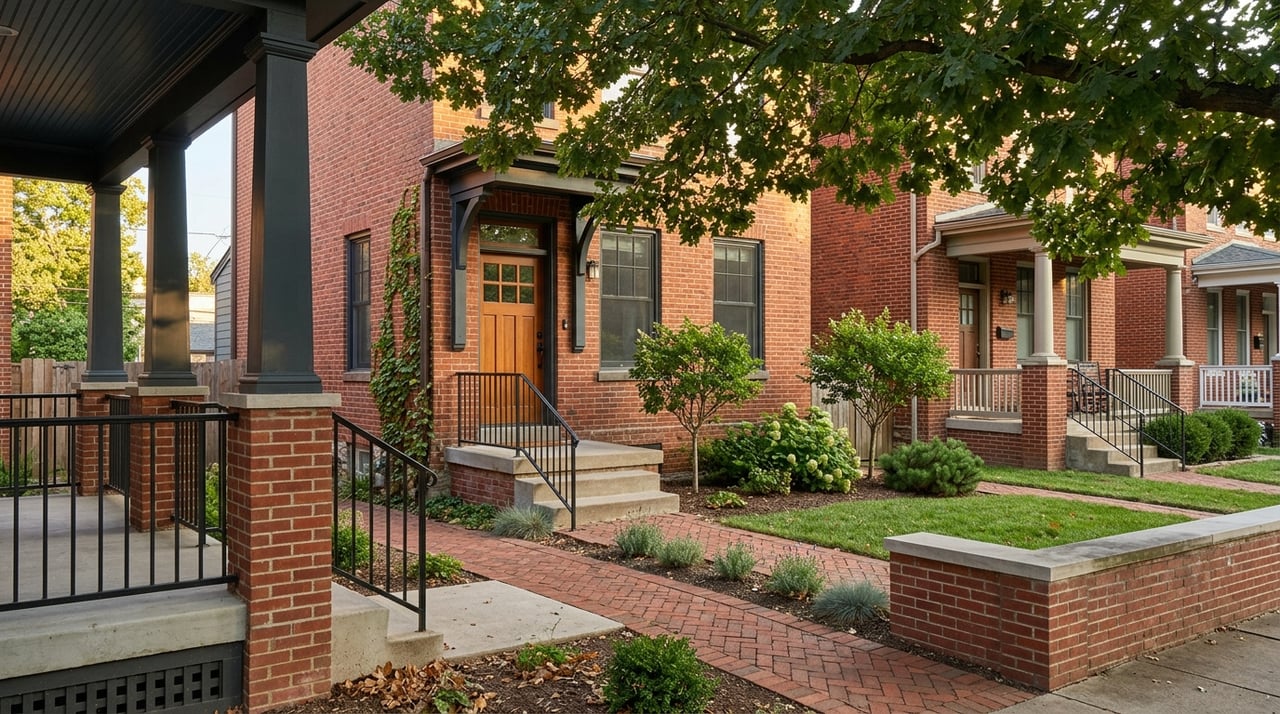
In Bonnie Brae, the housing mix is also helpful. The neighborhood association describes an area developed from the 1920s through the 1950s with Tudor homes, eclectic architecture, and some one-story ranch brick homes, especially north of Bonnie Brae Boulevard. It also points to the University Boulevard commercial strip as part of the neighborhood’s walkable, village-like feel, which matters if you want convenience along with a smaller footprint.
For many homeowners, that combination is the real opportunity. You may be able to right-size without leaving the streets, routines, and relationships that already feel like home.
What downsizing can look like
Downsizing is not one-size-fits-all, especially in premium neighborhoods. In Belcaro and Bonnie Brae, a smart plan starts with defining what “less” actually means for you.
Stay detached with less maintenance
If your main goal is easier living, a single-level ranch home may be the closest match. Ranch layouts can reduce stairs, simplify cleaning, and make daily use more efficient, while still giving you the privacy and feel of a detached home. Because that housing style is already part of Belcaro Park and parts of Bonnie Brae, downsizing locally can be more realistic than many owners first assume.
Downsize in place with an ADU
For some homeowners, moving is not the best answer. Denver’s newer accessory dwelling unit standards create more flexibility for ADUs, and the city specifically notes that one-story ADUs can better serve elderly or disabled occupants. On a larger lot, that can open the door to staying in the neighborhood while creating a smaller, more manageable living arrangement on the same property.
This option may also support multigenerational planning or long-term flexibility. If you love your block and want to remain rooted, an ADU can be worth exploring early with the right guidance.
Move nearby to an attached home
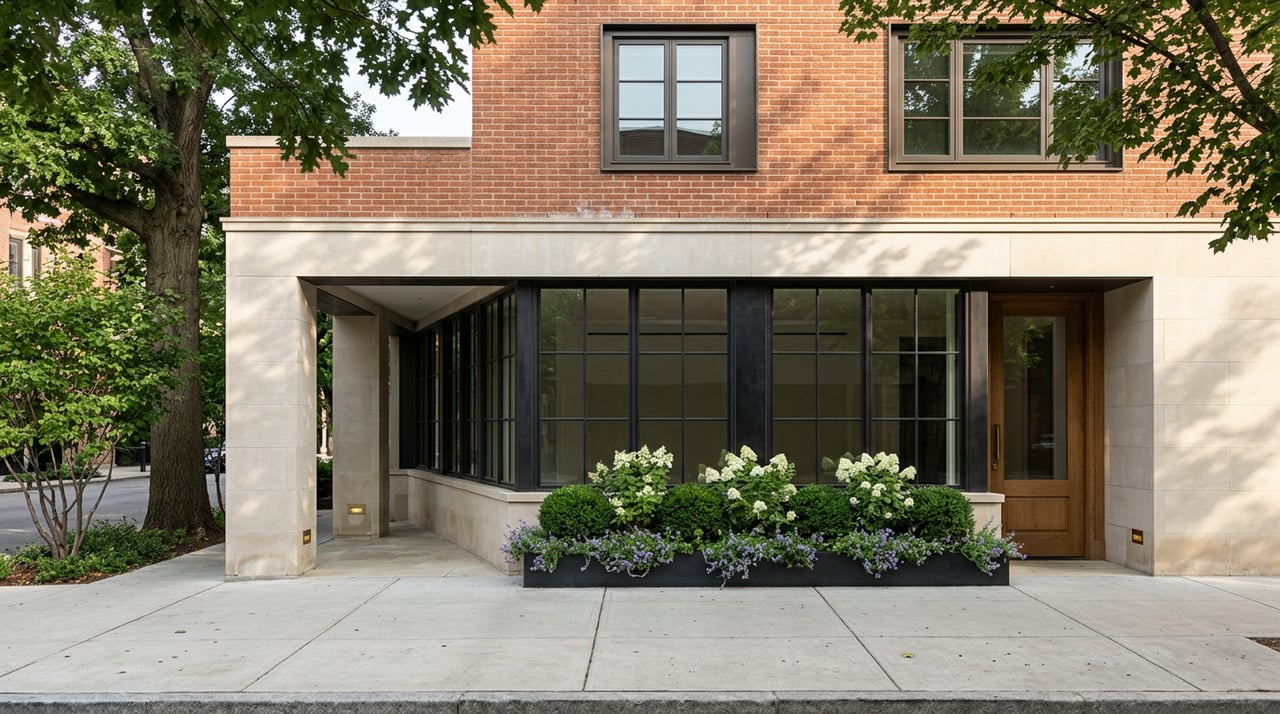
If your priority is lower maintenance, attached housing may be part of the answer. The DMAR Market Trends report groups condos, townhomes, row houses, apartment buildings, and high-rise towers in its attached-home category, and Denver is also pursuing more middle-housing forms such as duplexes, fourplexes, rowhouses, townhomes, and cottage housing.
That does not mean every option will fit your preferences or style. It does mean you may have more ways to stay close to Belcaro or Bonnie Brae while reducing exterior maintenance and square footage.
Know what you want to keep
The biggest downsizing mistake is focusing only on what you want to lose. Less maintenance matters, but so do the parts of your current life you do not want to give up.
Before you make a move, clarify your non-negotiables. For example:
- A main-floor primary bedroom
- Minimal or no stairs
- Room for guests
- Space for hobbies or a home office
- Private outdoor space
- Proximity to familiar streets and services
- Architectural character that still feels like home
When you start with priorities, you are more likely to choose a home that fits your life instead of simply shrinking your square footage. That is often the difference between a move that feels freeing and one that feels like a compromise.
Timing your sale in a selective market
If you need to sell a larger home before buying something smaller, timing matters. According to DMAR’s February 2026 market report, the Denver Metro market entered spring with more activity, including a 12.15% month-over-month rise in new listings, a 29.26% increase in pending properties, and a 98.70% close-price-to-list-price ratio.
At the same time, the report points to a more selective market rather than an overheated one. Year-to-date through February, sales volume was down 13.17% and median price was down 2.21%. Buyers are active, but they are paying attention to pricing, presentation, and condition.
That is especially important if your current home falls into the larger or higher-priced segment. DMAR reports that homes priced above $1 million had a median of 26 days in MLS in February, up 73.33% year over year. In practical terms, this means you should not assume a premium home will sell quickly just because spring is approaching.
Start earlier than you think
For downsizers, one of the smartest moves is starting prep before the ideal listing window. If spring momentum is already building by late winter, your planning should begin before that.
A strong early timeline may include:
- Defining your next-home criteria
- Reviewing likely sale timing and pricing
- Sorting what to keep, donate, store, or move
- Completing repairs and maintenance
- Planning photography, staging, and launch strategy
This kind of lead time reduces pressure. It also gives you more control if your move involves coordinating two transactions.
Preparing a larger home to sell well
When buyers compare homes in Belcaro and Bonnie Brae, condition and presentation stand out quickly. In a selective market, thoughtful preparation can make a meaningful difference.
The National Association of Realtors found in its 2025 Profile of Home Staging that 83% of buyers’ agents said staging made it easier for buyers to visualize a property as a future home. The rooms with the highest impact were the living room, primary bedroom, and kitchen.
The same report also showed that if full staging is not practical, many sellers’ agents recommend a simpler approach first: declutter, fix property faults, and clean thoroughly. That is especially useful for downsizers, since the move itself already requires sorting and simplifying.
Focus on the highest-return prep
If you want a practical plan, start here:
- Declutter surfaces, closets, and storage areas
- Make visible repairs before photography
- Deep clean inside and out
- Stage the living room, primary bedroom, and kitchen first
- Invest in strong listing photos and video
NAR also noted the importance of photos, physical staging, videos, and virtual tours. In neighborhoods where homes often have architectural detail and established landscaping, good visual marketing helps buyers appreciate both character and livability.
Respect neighborhood context
In established neighborhoods, preparation is not just about cosmetics. It is also about fit.
In Belcaro Park, homeowners should review HOA architectural covenants and procedures before making exterior changes or major updates. In Bonnie Brae, where architecture ranges from Tudor to postwar ranch brick and where additions have become part of the neighborhood’s evolution, style-sensitive improvements matter when preparing a home for market.
This is one reason local expertise matters in a downsizing move. A generic prep plan may miss the details that buyers in these neighborhoods notice, while a neighborhood-aware strategy can help you present your home in a way that feels both polished and appropriate.
Build a downsizing plan without compromise
The right downsizing move is rarely just about buying smaller. It is about protecting what matters most while making life easier.
In Belcaro and Bonnie Brae, that may mean staying in a detached ranch, exploring an ADU on a larger lot, or moving to a nearby low-maintenance home that keeps you connected to the neighborhood. Each path has different financial, logistical, and timing considerations, especially if you are selling a premium home first.
A thoughtful plan can help you make those decisions with more confidence and less stress. If you are considering a move in Belcaro or Bonnie Brae, Julie Egan & Sallie E Grewe offer the kind of local, high-touch guidance that helps you simplify without losing sight of value, timing, or neighborhood fit.
FAQs
What does downsizing in Belcaro or Bonnie Brae usually mean?
- Downsizing in Belcaro or Bonnie Brae can mean moving to a smaller detached ranch home, exploring an ADU on your current lot, or choosing a lower-maintenance attached home nearby while staying connected to the area.
Are there single-level homes in Belcaro and Bonnie Brae?
- Yes. Belcaro Park includes many single-story ranch homes, and Bonnie Brae also includes some one-story ranch brick homes within its broader mix of architectural styles.
Can you downsize without leaving your current property in Denver?
- In some cases, yes. Denver’s updated ADU standards create more flexibility, and the city notes that one-story ADUs can better serve elderly or disabled occupants.
When should you start preparing a larger home for a downsizing move?
- It is wise to start before the ideal spring listing window because Denver’s market activity often builds by late winter, and prep work like repairs, decluttering, and staging takes time.
What home prep matters most when selling before downsizing?
- Decluttering, making repairs, deep cleaning, and staging the living room, primary bedroom, and kitchen are often the most effective first steps, supported by strong photography and video.
Why does neighborhood-specific advice matter for Belcaro and Bonnie Brae sellers?
- These neighborhoods have distinct housing styles, local context, and in Belcaro Park, HOA architectural procedures that can affect how you prepare and position a home for sale.