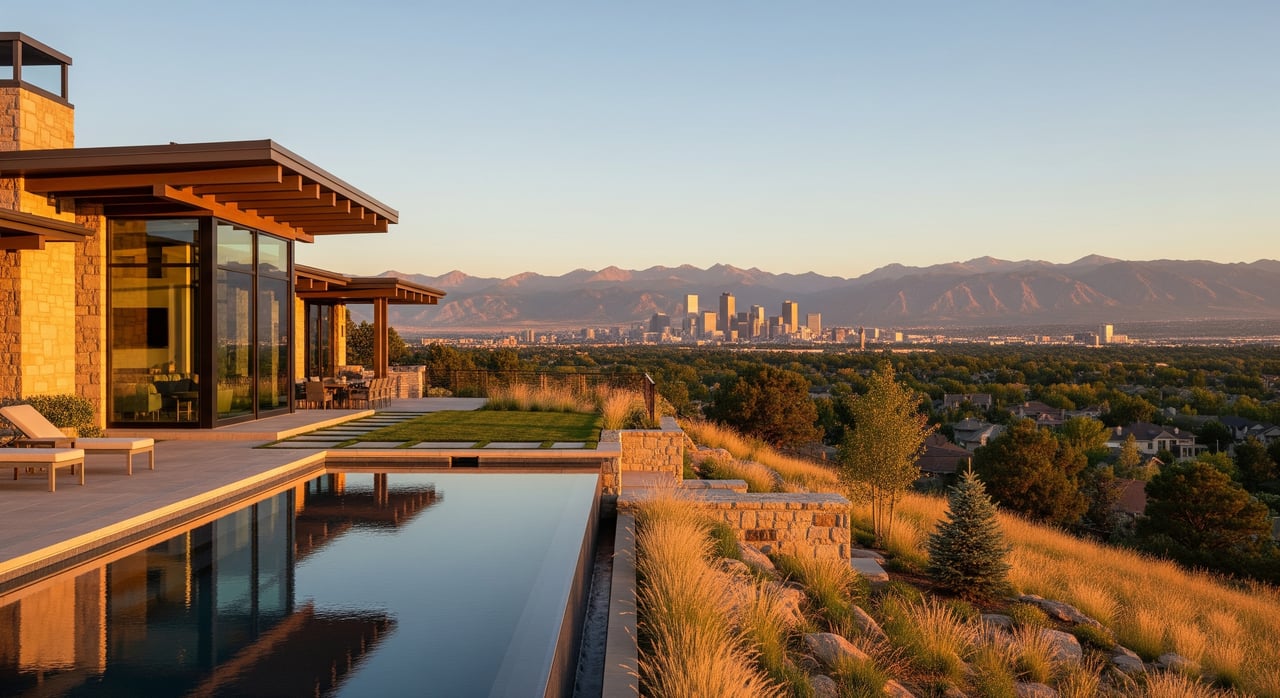
Choosing the right lot in Hilltop or Crestmoor can change your resale by six figures. If you are weighing a park-front address, a skyline view near Cranmer Park, or a deep, quiet interior lot, the details matter. You want to enjoy light, views, and outdoor living without trading away privacy or future flexibility. In this guide, you’ll learn which attributes add value in these neighborhoods and how to confirm them before you buy or sell. Let’s dive in.
What drives value here
Hilltop and Crestmoor are established, primarily single-family neighborhoods with larger, more regular lots than many central Denver areas. Hilltop sits on a gentle rise, which creates view opportunities of the Denver skyline and the Front Range, especially near Cranmer Park. Buyers here often seek access to parks, consistent streetscapes, and the option to rebuild or expand.
Premiums tend to show up where a lot improves daily life: better light, usable outdoor spaces, protected views, and proximity to well-kept parks. Scarcity also matters. Park-front exposure and elevated view corridors are limited, so they attract attention and competition.
Park adjacency that adds value
Living by a great park can elevate both your lifestyle and your resale. In Hilltop and Crestmoor, Cranmer Park and Crestmoor Park are key.
Direct park frontage
Lots that face a park or back directly to it often feel larger because the view extends across open space. At Cranmer Park, the elevation provides wide sightlines over the city and mountains. That combination of openness and view can be especially compelling.
Across-the-street or near-park
Homes a short block from a park still benefit from quick access and a green outlook. You may gain privacy compared with direct frontage, depending on how the house and landscaping are oriented.
View corridors without adjacency
Some elevated lots near Cranmer Park capture skyline or mountain views without touching the park. These can command strong interest when the views are protected by topography or thoughtful site design.
Park trade-offs to consider
Parks with active fields and events bring occasional noise and traffic. Public access can reduce privacy for rooms or patios that face the park edge. Park maintenance and landscaping levels also shape how the space feels day to day.
How to verify park value
- Confirm exact parcel lines and whether any park easements touch the property.
- Observe how the park is used at different times and if activities cluster near your potential lot.
- Review any planned park improvements that could affect noise, lighting, or traffic patterns.
Orientation and solar exposure
Light and layout drive how a home lives, especially in Denver’s sunny climate.
South-facing backyards
South-facing backyards and main living spaces are often preferred here. You get brighter, warmer winter light, more usable shoulder seasons outdoors, and better passive solar potential. Roof planes facing south can also be ideal for solar panels.
West and east exposures
West-facing exposure can feel hot in late afternoon, which may require shading strategies. East-facing yards and rooms enjoy cooler afternoons and softer morning light. Balance these factors with how you plan to use patios, kitchens, and family rooms.
Aligning for views
If you have a park or skyline outlook, orient key rooms and outdoor spaces to capture it. Lot orientation relative to the park matters. A home that fronts a view or green space reads as more connected and can feel more expansive.
What to check on site
- Visit at different times of day to judge sun, shade, and glare.
- Use simple solar tools to estimate roof and yard sunlight across seasons.
- Review nearby zoning and potential building envelopes to gauge if future construction could block your views.
Street type and address prestige
Denver’s parkways and tree-lined streets shape how a home feels the moment you arrive.
6th Avenue Parkway realities
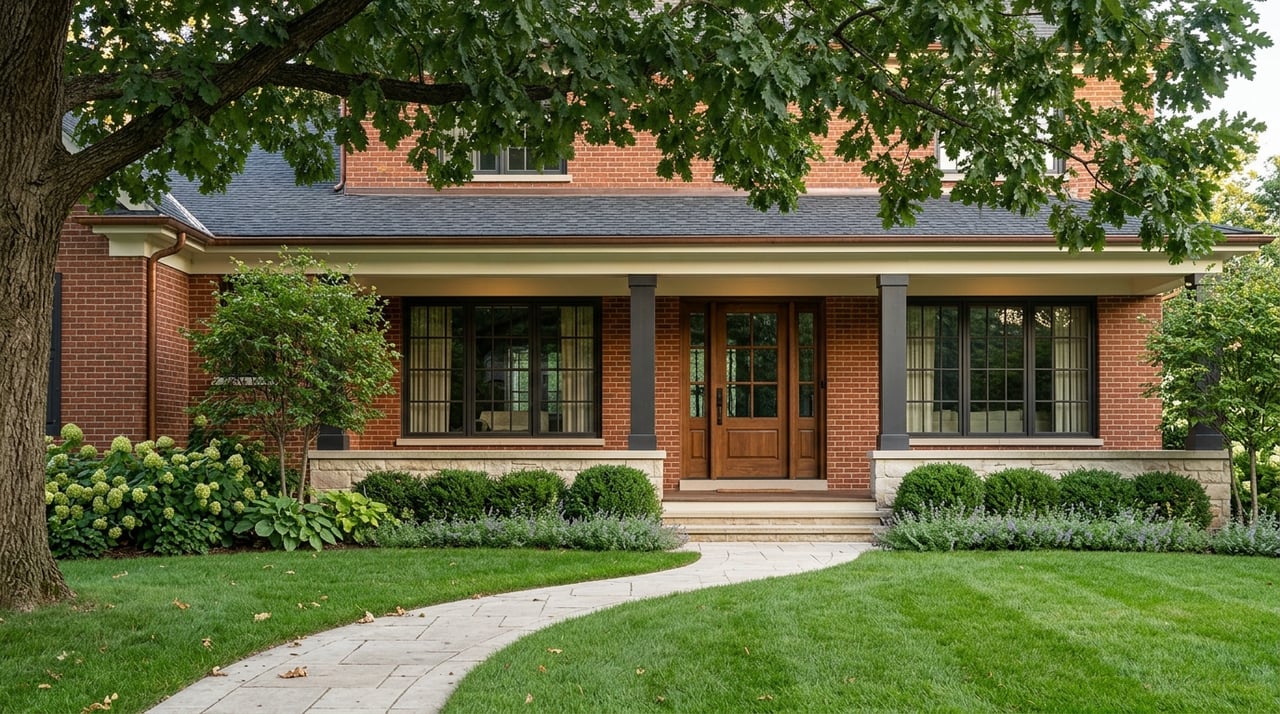
East 6th Avenue Parkway provides a grand streetscape with larger setbacks and mature trees. That presence can enhance curb appeal and signal status. It is also a major corridor in places, which can introduce higher traffic, noise, and crossing considerations. The net effect depends on your specific block and how the house is set back and buffered.
Tree-lined interior streets
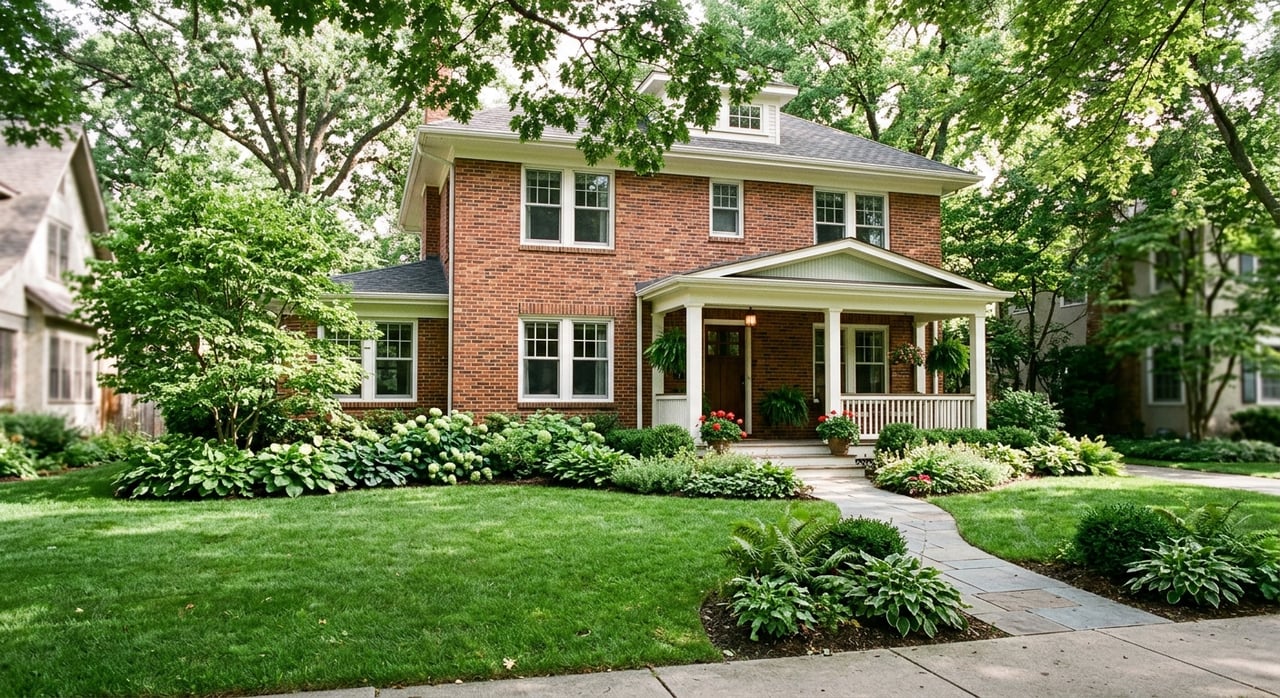
Interior streets in Hilltop and Crestmoor often offer quieter settings, strong canopy, and easy park access within a short walk. The best blocks combine consistent setbacks, healthy trees, and well-kept sidewalks.
Corner vs interior lots
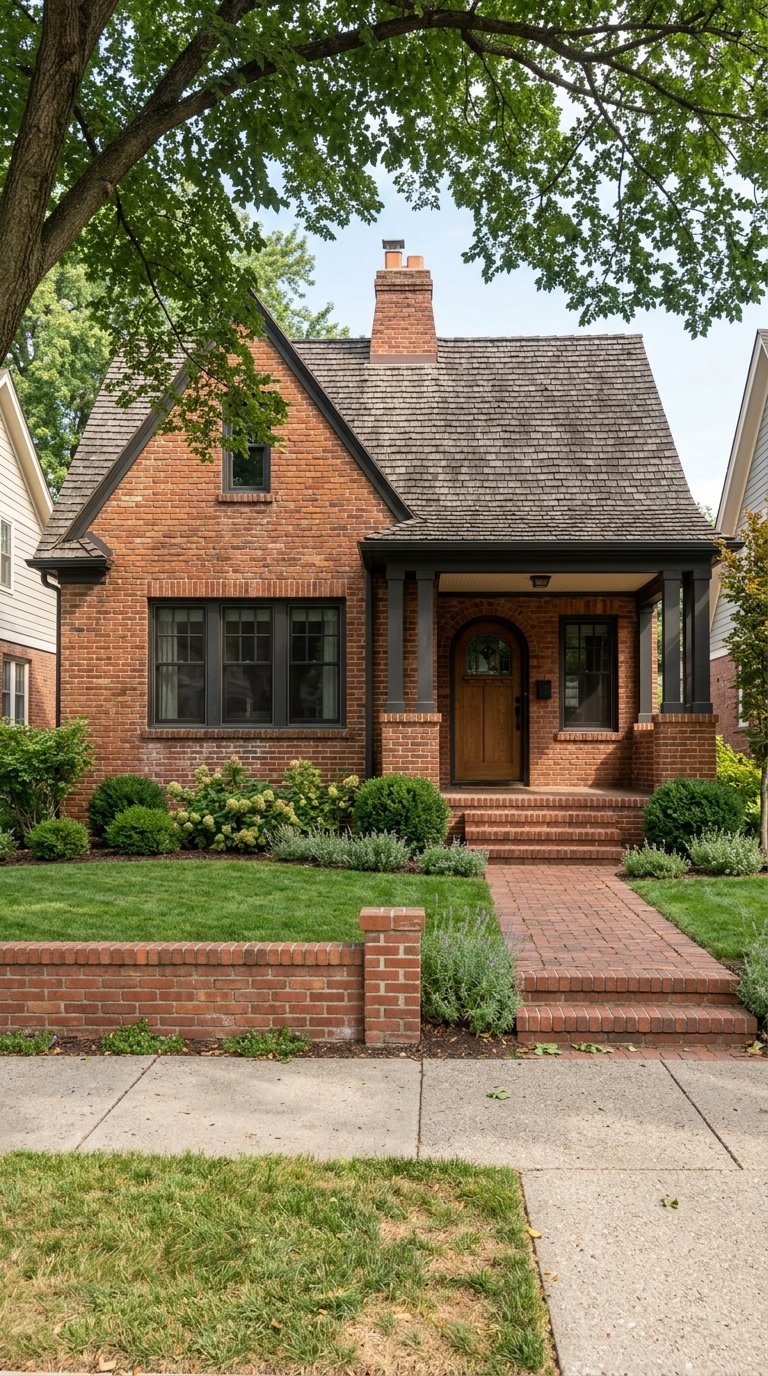
Corner lots add design flexibility and presence with more frontage, but they can have more exposure and less privacy. Interior lots trade some prominence for calmer settings and simpler yard layouts.
What to check on the street
- Visit during peak traffic to assess noise and drive patterns, especially along 6th Avenue Parkway.
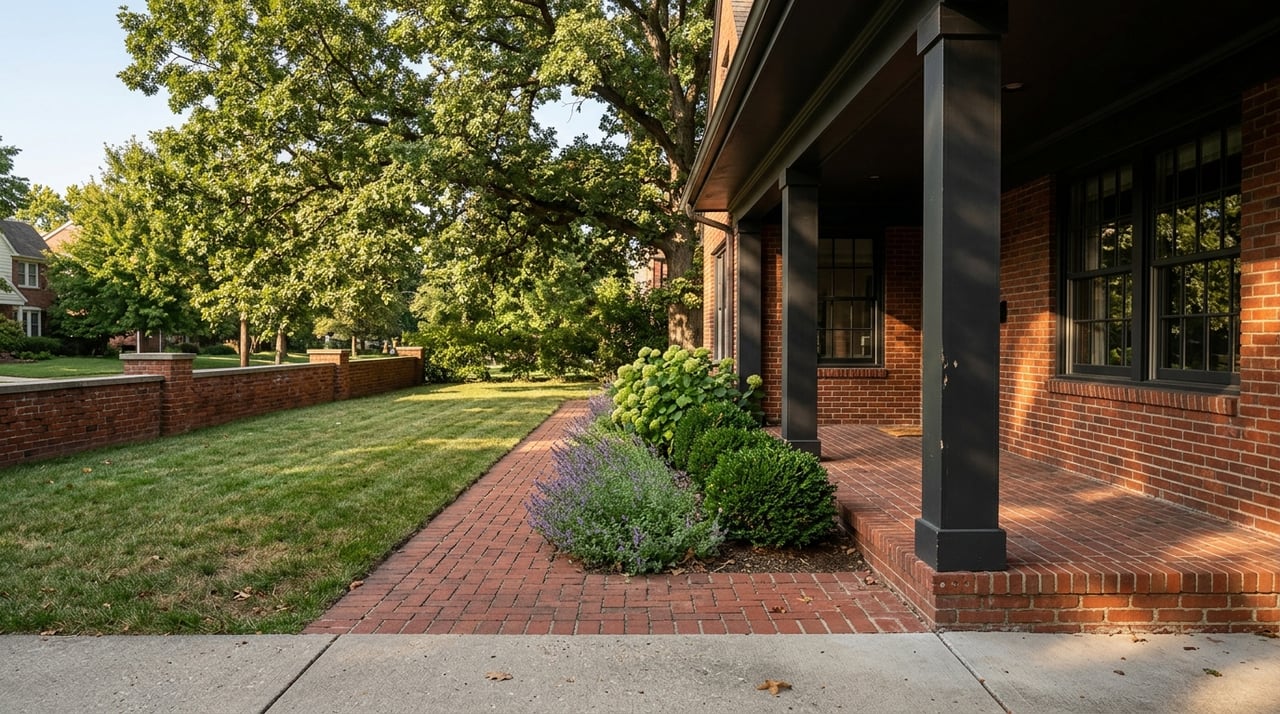
- Note sidewalk conditions, tree canopy health, and any medians or park strips.
- Consider pedestrian safety and ease of crossing for daily routines.
Lot size, shape, and buildable envelope
In neighborhoods with both originals and replacements, the lot sets the stage for what is possible.
Why bigger often helps
Larger, deeper lots support more flexible layouts, generous outdoor living, and detached structures such as carriage houses or rear garages. Wider frontage enhances curb appeal and can expand architectural options.
Shape and constraints
Irregular or narrow lots can limit design and increase build cost. Setbacks, height limits, lot coverage, and side-yard rules control the actual buildable area. Before you price a property as a prime rebuild, confirm what can be built.
What to confirm
- Obtain the plat, dimensions, and any recorded easements.
- Check current zoning, setbacks, height, and coverage limits.
- Map utilities that could constrain placements of additions, pools, or garages.
Elevation, slope, and drainage
Topography can be a value boost or a budget risk.
Gentle slopes
A mild slope toward the street can enable walkout basements, improve daylight on lower levels, and open up view corridors. This is common on select Hilltop blocks near the crest.
Steeper grades and water
Steep slopes require more engineering and retaining walls. Drainage issues, older grading, or unclear water flow paths can reduce usability and add cost. Look for signs of prior mitigation and plan to involve a civil engineer if needed.
Trees and landscape impact
Mature canopy is part of Hilltop and Crestmoor’s charm. Healthy, well-placed trees add beauty, shade, and privacy. Very large trees near structures or driveways can add maintenance and liability. Canopy can also affect solar potential and, in some cases, view lines.
- Identify any protected trees or conservation rules before planning removals.
- Factor pruning or removal costs into your budget.
Easements, utilities, and covenants
Hidden constraints can limit the very attributes that make a lot valuable.
- Utility or drainage easements reduce buildable area and may control where you can place patios, pools, or accessory buildings.
- Recorded covenants or neighborhood design guidance can shape exterior changes. Understand these early to avoid plan revisions.
Pricing and resale in practice
Lots capture premiums through three main forces: utility, scarcity, and image. Usability improves daily life, so buyers notice sunny rooms, protected outdoor areas, and views that are easy to enjoy. Scarcity drives competition for park-front and elevated view properties. Image matters, too. Parkway addresses and proximity to high-quality parks signal status in these neighborhoods.
Appraisers look for comparable sales with similar adjacency, views, and orientation, then adjust for differences. In areas with teardowns and rebuilds, the lot premium often plays a larger role in valuation. The strength of that premium shifts with market cycle, rates, the supply of comparable lots, and the pace of new construction.
Quick evaluation checklist
Use this list to judge a Hilltop or Crestmoor lot:
- Parcel and zoning: Verify legal description, dimensions, setbacks, height, and coverage.
- Buildable envelope: Confirm easements and utility locations that affect placement.
- Park adjacency: Measure distance, observe use patterns, and review park plans.
- Orientation and views: Check sun exposure and potential view obstructions.
- Street context: Assess traffic, noise, and pedestrian comfort, especially along 6th Avenue Parkway.
- Topography and drainage: Identify slopes, signs of water issues, and prior grading.
- Trees and landscaping: Note canopy, health, and maintenance implications.
- Market data: Compare recent sales for park-front, view, and interior lots.
- Professionals: Engage an appraiser, architect, and, if needed, a civil engineer.
When to lean in or hold back
Consider leaning in when a lot near Cranmer Park offers a south-facing backyard with protected skyline views and a clear buildable envelope. A 6th Avenue Parkway address with deep setback, strong buffering, and high-quality canopy can also be compelling if traffic levels are acceptable to you. Be cautious if view potential depends on removing significant canopy you do not control, if a west-facing outdoor program will be hard to shade, or if easements encroach on your planned outdoor living.
How we help in Hilltop and Crestmoor
Choosing the right Hilltop or Crestmoor lot is part art, part due diligence. You deserve representation that blends neighborhood knowledge with legal clarity. Our two-broker team pairs decades of local experience with an attorney-led approach to contracts, title, and easements. We analyze comps, confirm zoning and build envelopes, and coordinate site visits at different times of day so you can buy or sell with confidence.
Ready to evaluate a specific lot or prepare your property for market? Connect with Julie Egan & Sallie E Grewe for a private consultation and market evaluation.
FAQs
What adds value to Hilltop and Crestmoor lots?
- Park adjacency, south-facing orientation, protected views, larger and wider parcels, and well-buffered parkway or tree-lined addresses typically drive higher demand.
Are park-front homes always worth more in these neighborhoods?
- Many buyers prize park-front living for views and access, but premiums depend on elevation, privacy, park activity levels, and maintenance quality near the lot.
How does 6th Avenue Parkway affect pricing?
- Parkway addresses can add prestige and curb appeal, while higher traffic may reduce privacy. The net effect hinges on the specific block, setback, and buffering.
Which orientation is best for Denver’s climate?
- South-facing backyards and main living spaces are often preferred for light and passive solar gain. West exposure can run hot, while east stays cooler in the afternoon.
What should I check before buying a view lot near Cranmer Park?
- Confirm view corridors, potential future build heights nearby, solar access, and any park or utility easements that could limit placements or privacy.
How do appraisers account for park adjacency and views?
- Appraisers compare sales with similar adjacency and make adjustments for features like direct park access, southern exposure, and view quality to reflect market reactions.