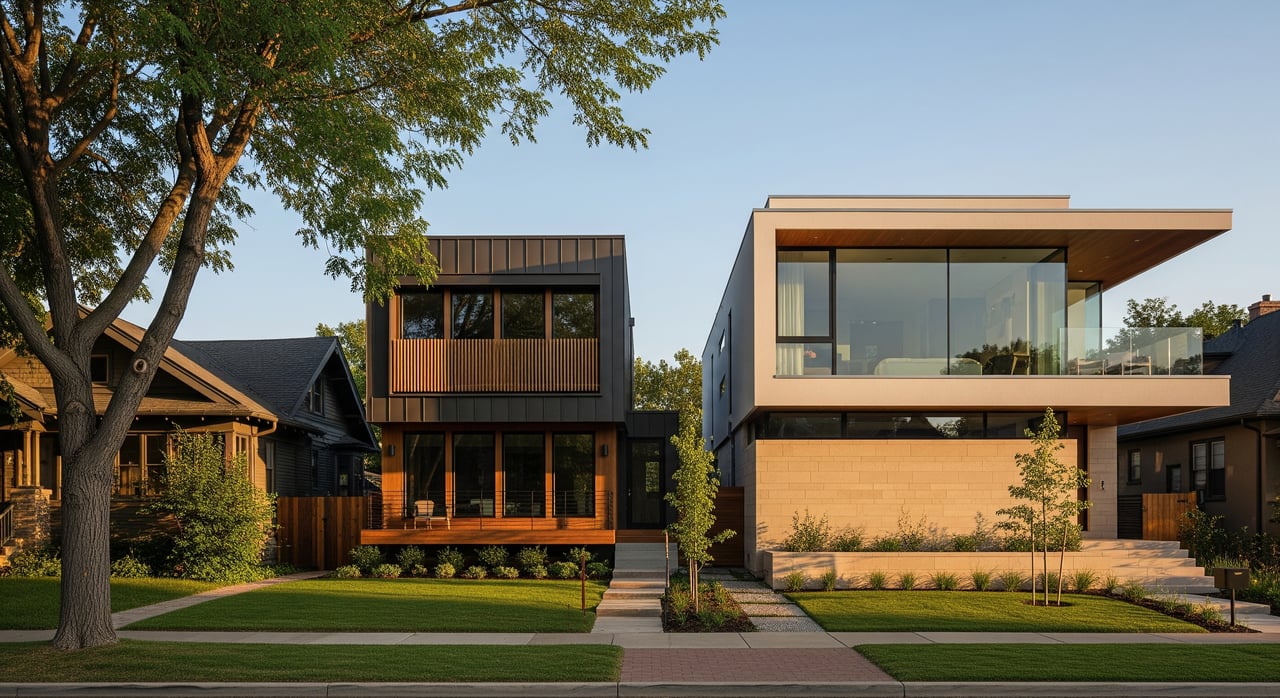
Thinking about adding space in Washington Park but not sure if a pop-top or a full scrape is the smarter move? You are not alone. In a neighborhood known for porches, mature trees, and early-20th-century charm, the right approach can protect value and fit the block. In this guide, you will learn how both paths work in Wash Park, what local rules often require, how timelines and disruption compare, and which option aligns with your lot and goals. Let’s dive in.
Pop-top vs. scrape: quick definitions
A pop-top keeps the existing footprint and most of the street-facing façade, replaces or raises the roof, and adds a new second floor. The goal is to gain bedrooms or a primary suite, modernize the layout, and maintain the front elevation and porch to keep block rhythm.
A scrape removes the existing home and builds new. This gives you a clean slate for layout, systems, energy codes, and style. Depending on zoning, new builds can include a single-family home, paired homes, or a house with an accessory dwelling unit.
A hybrid approach sometimes retains part of the foundation or façade to address preservation concerns or reduce demolition scope. The right choice depends on your parcel, design goals, and neighborhood fit.
Washington Park context
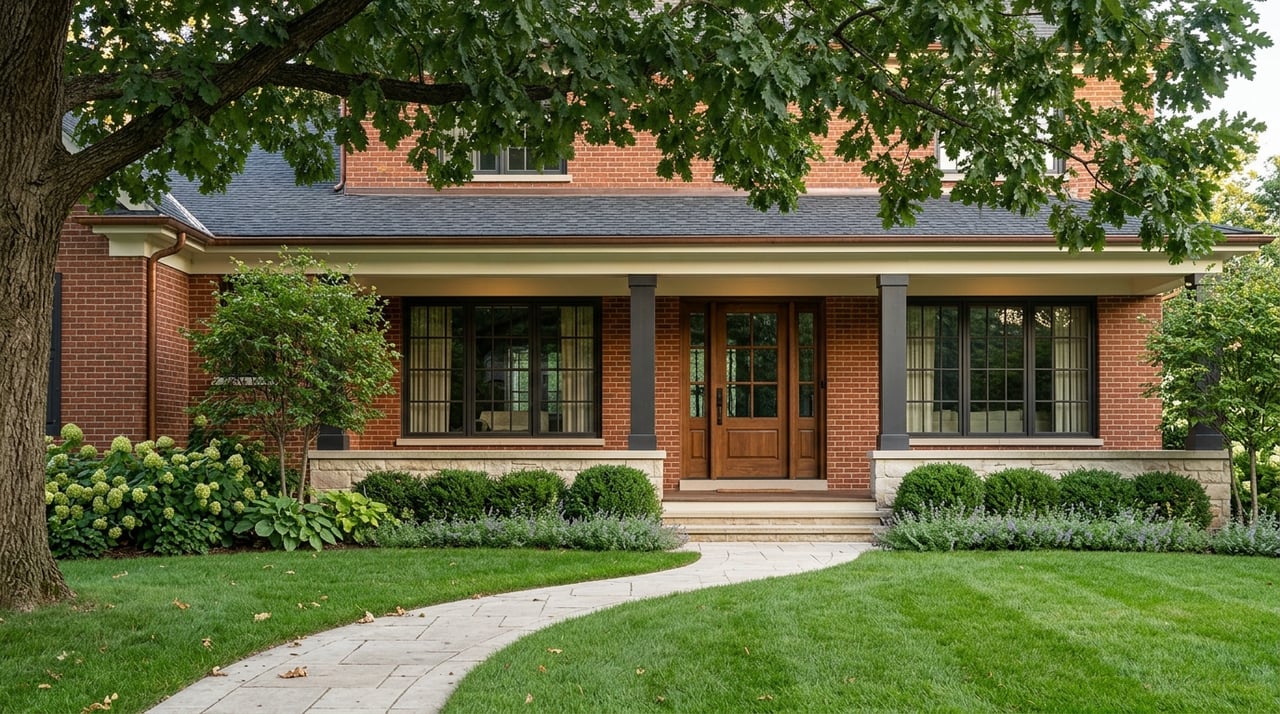
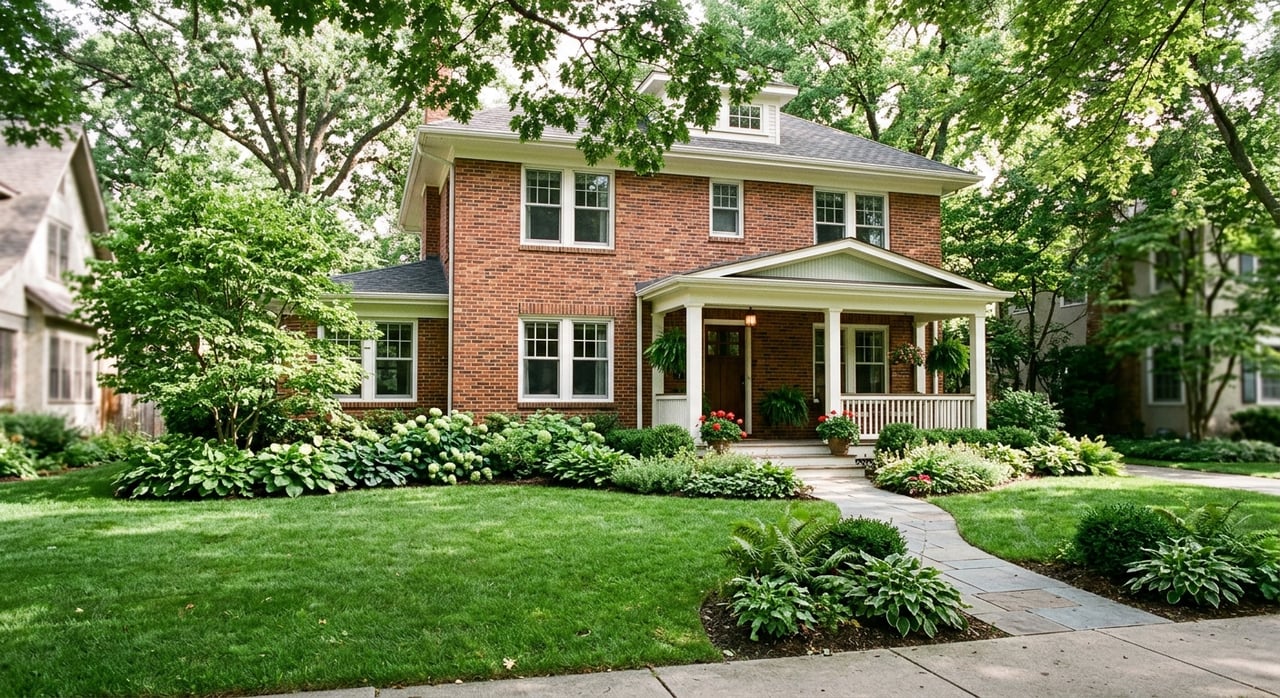
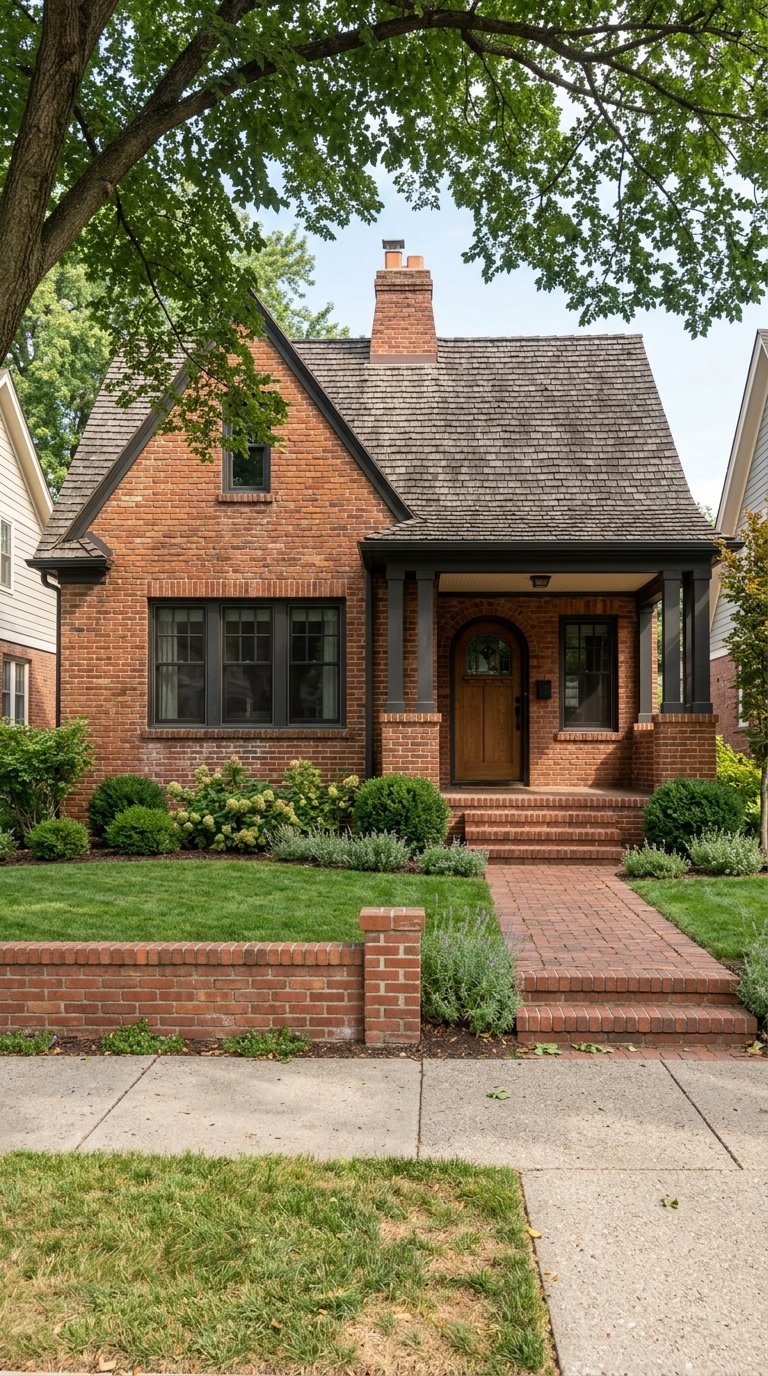
Wash Park’s character comes from human-scale facades, consistent front setbacks, and front porches that create a unified streetscape. Many blocks include bungalows, foursquares, and Craftsman details alongside thoughtful infill.
Lot widths vary block to block. On narrower lots, horizontal additions can be constrained, which is a common reason owners choose pop-tops to add space while keeping the existing setbacks.
Historic street-facing elements matter to neighborhood continuity. Many residents and review bodies prefer preserving the first-floor façade or porch, especially when adding a second story. Sensitive massing, materials, and window rhythm help new work feel at home.
What Denver rules usually govern
Local feasibility is shaped by zoning, building code, and sometimes historic review. Before you decide, plan on parcel-specific due diligence.
Zoning basics
Zoning controls maximum height, floor area or allowable square footage, lot coverage, setbacks, and side yards. These limits shape both pop-top massing and new-build footprints. Parking requirements and ADU allowances can also affect program and site planning.
Historic and preservation review
If your property sits in a local historic district or is a designated landmark, exterior changes that are visible from the street can require design review and approval. Pop-tops that alter rooflines and front elevations may trigger review. Scrapes typically require demolition review and a full design review for the new home.
Permits and building codes
Pop-tops sometimes move faster through permits because they reuse foundations and site conditions. Still, visible exterior changes, structural upgrades, and energy code triggers can add review steps. New builds need demolition permits, full plan review, and compliance with current energy and structural codes.
Trees, access, and logistics
Wash Park’s mature trees are a defining feature. Work near tree roots can require permits or mitigation. Plan for construction access, staging, and neighbor communication for either path, especially on narrower streets.
How the options compare
Cost and value
- Scrapes typically have higher total cost because you are paying for demolition, new foundation, full systems, and complete build-out.
- Complex pop-tops can narrow the cost gap if the existing structure needs heavy remediation.
- Both strategies can produce strong resale when the final home fits Wash Park’s scale and streetscape. Homes that feel out of scale or incongruous may face slower resale.
Timeline
- Pop-top: feasibility and design, engineering, permits, then construction. Permits can take weeks to months, with construction often several months based on scope.
- Scrape: demolition, full design and entitlement, then new construction. Expect a longer arc, often many months to a year or more.
- Historic or discretionary design review can extend timelines for both.
Disruption
- Pop-top: significant structural work above the existing home. Plan on living elsewhere during framing and exterior work or expect major disruption. Site staging is often smaller than a full scrape.
- Scrape: demolition plus a longer heavy-construction period with more truck traffic for foundation and utility work.
- In both cases, proactive neighbor relations and tree protection help keep the process smooth.
Streetscape and resale
- Pop-top advantage: you can preserve the original façade and porch, which supports block rhythm and perceived continuity.
- Scrape risk and opportunity: a new build can enhance the block when designed to match scale, setback, and materials. If it ignores neighborhood patterns, it can stand out in a way buyers may not prefer.
- Design strategies that protect value include stepping back upper massing, aligning cornice heights, and using materials and window rhythms that respond to neighboring homes.
Which path fits your lot and goals
Choose a pop-top if you want to:
- Keep the porch and front elevation that define your block.
- Add bedrooms or a primary suite without widening the footprint.
- Work within narrower lot constraints while maintaining setbacks.
- Align with preservation-minded expectations where visible changes are reviewed.
Choose a scrape if you want to:
- Reconfigure the plan entirely with modern systems and energy performance.
- Optimize ceiling heights, floor plates, and circulation from the ground up.
- Pursue an ADU or paired home option where zoning allows.
- Address foundations or structural issues that make a pop-top impractical.
Steps to get started in Wash Park
Use this practical checklist to frame your decision and reduce surprises.
Parcel due diligence
- Confirm zoning, lot dimensions, setbacks, maximum height, and any overlays or conservation areas.
- Check if the property is in a local historic district or individually landmarked.
Physical feasibility
- Have an architect and structural engineer assess foundation and framing. This is critical for pop-top feasibility.
- Evaluate tree impacts, especially near street trees or significant canopy.
- Review utilities and stormwater for increased occupancy or footprint.
Neighborhood fit and review
- Identify any required neighborhood or preservation reviews and consider a pre-application meeting.
- Document adjacent front elevations to guide scale, massing, and materials.
Financial lens
- Talk with a local appraiser and your real estate advisor about likely post-project value and comparables.
- Build a preliminary budget and schedule with Denver-experienced architects and contractors. Multiple bids help you calibrate scope and timing.
Team selection
- Choose an architect and general contractor experienced with Wash Park pop-tops and new builds.
- Engage a structural engineer familiar with older Denver homes.
- If applicable, add a preservation consultant for designated properties.
A market lens on resale in Wash Park
Buyers in established neighborhoods respond to homes that feel at home on the block. A tasteful pop-top that retains the first-floor façade can be easier to justify when buyers value neighborhood character. A well-designed new build that respects setbacks, massing transitions, and material context can also command strong attention.
Appraisers lean on local comparables. Your outcome depends on design quality, zoning fit, and how the finished home reads from the street. Early alignment on scale and streetscape reduces risk and supports resale confidence.
What to ask before you decide
- Is the property inside a local historic district or subject to preservation review?
- What are the exact height, floor area, and setback limits for the parcel?
- Will a pop-top trigger upgrades to systems to meet current code?
- How long will permits, reviews, and construction realistically take on your block?
- How will the project change your assessment and property taxes once complete?
Ready to weigh the market, the rules, and the design path that best protects your value in Washington Park? For high-touch guidance from a team that understands premium and historic properties, connect with Julie Egan & Sallie E Grewe. Request a private consultation or market evaluation.
FAQs
What is a pop-top in Washington Park?
- A pop-top adds a new upper level while keeping the existing footprint and most of the front façade, often preserving the porch to maintain the block’s rhythm.
What is a scrape or full teardown in Wash Park?
- A scrape demolishes the existing house and builds new, which enables a full redesign, modern systems, and potentially an ADU or paired home if zoning allows.
How do timelines compare for pop-top vs. new build in Denver?
- Pop-tops can move from permit to finish in several months depending on scope, while scrapes often run many months to a year or more due to demolition, full plan review, and construction.
Will historic review affect my Wash Park project?
- If the property is in a local historic district or landmarked, exterior changes visible from the street, including rooflines, typically require review and approval.
Can I live in the home during a pop-top?
- Pop-tops involve significant structural work above the existing house, so most owners plan to live elsewhere during framing and exterior phases to reduce disruption.
Which option usually has a higher total cost?
- Scrapes typically cost more overall due to demolition, new foundation, and complete systems, although complex pop-tops can narrow the gap if structural remediation is extensive.
How do these projects impact resale in Wash Park?
- Both can sell well when the finished home fits the block’s scale and materials. Designs that feel out of scale or ignore streetscape patterns may face slower resale.