Looking for a Denver neighborhood where errands, coffee, dinner, and outdoor time can fit into the same easy routine? Lowry Town Center stands out because it brings daily convenience into a neighborhood with parks, history, and a wide range of housing choices. If you are considering Lowry, this guide will help you understand what makes the area feel so practical and connected. Let’s dive in.
Why Lowry Town Center Stands Out
Lowry is a mixed-use community built on the former Lowry Air Force Base, and its layout still shapes how the neighborhood functions today. Official neighborhood information notes nearly 3,000 homes, more development at Boulevard One, and more than 800 acres of parks and open space. That combination gives Lowry enough scale to support real amenities while still maintaining a neighborhood feel.
At the center of daily life is Lowry Town Center at 200 Quebec Street, between 6th Avenue Parkway and Alameda. Kimco describes it as a walkable open-air center in east Denver, and Lowry’s own shopping information highlights the concentration of retail within easy walking distance. In simple terms, it is designed for real day-to-day use, not just an occasional shopping trip.
What Walkable Convenience Looks Like
Walkability means something different in every neighborhood. In Lowry, it shows up in the ability to combine basic errands, casual meals, personal services, and fitness stops in one area. That can make your week feel less rushed and your routine more efficient.
The current tenant mix reflects that everyday function. Lowry Town Center includes restaurants and coffee spots like Baekga Korean Kitchen, Delectable Egg, Einstein Bros. Bagels, Walter’s303 Pizzeria & Publik House, and Starbucks, along with shops and services such as Timbuk Toys, Chewy’s Bonetique, Savory Spice Shop, Orange Theory Fitness, Spavia, Lowry Main Street Dental, Vision First Eye Care Specialists, and Lowry Liquors.
Kimco also notes a connection to Safeway, which strengthens the Town Center’s role as a practical errands hub. For many buyers, that matters as much as any design feature inside a home. When grocery runs, appointments, and a quick meal are all close by, daily life can feel much more manageable.
Lowry Town Center as a Community Hub
A neighborhood center works best when it offers more than transactions. Lowry Town Center maintains an events page and regularly updates it with events, promotions, and tenant specials. That signals something important about the area: this is not only a place to stop by, but also a place where neighborhood activity happens.
That kind of programming can help a commercial district feel more integrated into the life of the neighborhood. For buyers comparing Denver areas, it is a meaningful distinction. A center with an active calendar often contributes to a stronger sense of rhythm and local connection.
Parks and Open Space Add Balance
Lowry’s convenience is not limited to shops and services. The neighborhood also offers a broad recreation network that includes neighborhood parks, regional parks, a sports complex, a golf course, natural reserve areas, a community recreation center, an ice arena, a dog park, and hiking and biking trails.
Named spaces include Great Lawn Park, Bayaud Park, Crescent Park, Lowry Sports Complex, Lowry Dog Park, Reading Garden, Linear Park, and Westerly Creek Dam. Some are city-owned and reservable, while others are managed by the Lowry Community Master Association. For buyers who want both urban convenience and regular outdoor access, that mix is one of Lowry’s strongest features.
Lowry’s recreation information also points to restaurants, health clubs, coffee shops, parks, pools, museums, public art, and paths as part of the neighborhood experience. That is a useful way to think about the area. In Lowry, outdoor time and everyday activity are built into the neighborhood itself.
Lowry’s History Gives It Character
Many planned communities offer convenience. Fewer offer convenience with a distinct sense of place. Lowry’s identity is closely tied to its former use as an Air Force base, and that history still shapes the neighborhood today.
The Lowry Foundation says the base closed in 1994 and the reuse plan was adopted in 1995. Several historic structures were repurposed for contemporary use, helping create a neighborhood that blends newer residential living with preserved landmarks and public spaces.
The foundation also maintains 13 pieces of public art and manages Eisenhower Chapel, a National Register historic landmark used for lectures, concerts, meetings, church services, movies, weddings, and funerals. These kinds of cultural anchors add depth to the neighborhood and help Lowry feel more layered than a purely new development.
Wings Over the Rockies Air & Space Museum is another defining part of the area. The museum was established in 1994 and occupies more than 97,000 square feet in Hangar 1 of the former Lowry Air Force Base. For buyers who value neighborhood identity, this blend of adaptive reuse and aviation history gives Lowry a character that is hard to duplicate.
Housing Options in Lowry
Lowry appeals to buyers in part because the housing mix is broad. Official neighborhood information describes nearly 3,000 homes, including single-family homes, duplexes, condos, and apartments. Boulevard One adds more single-family homes, townhomes, duplexes, apartments, retail, and commercial sites.
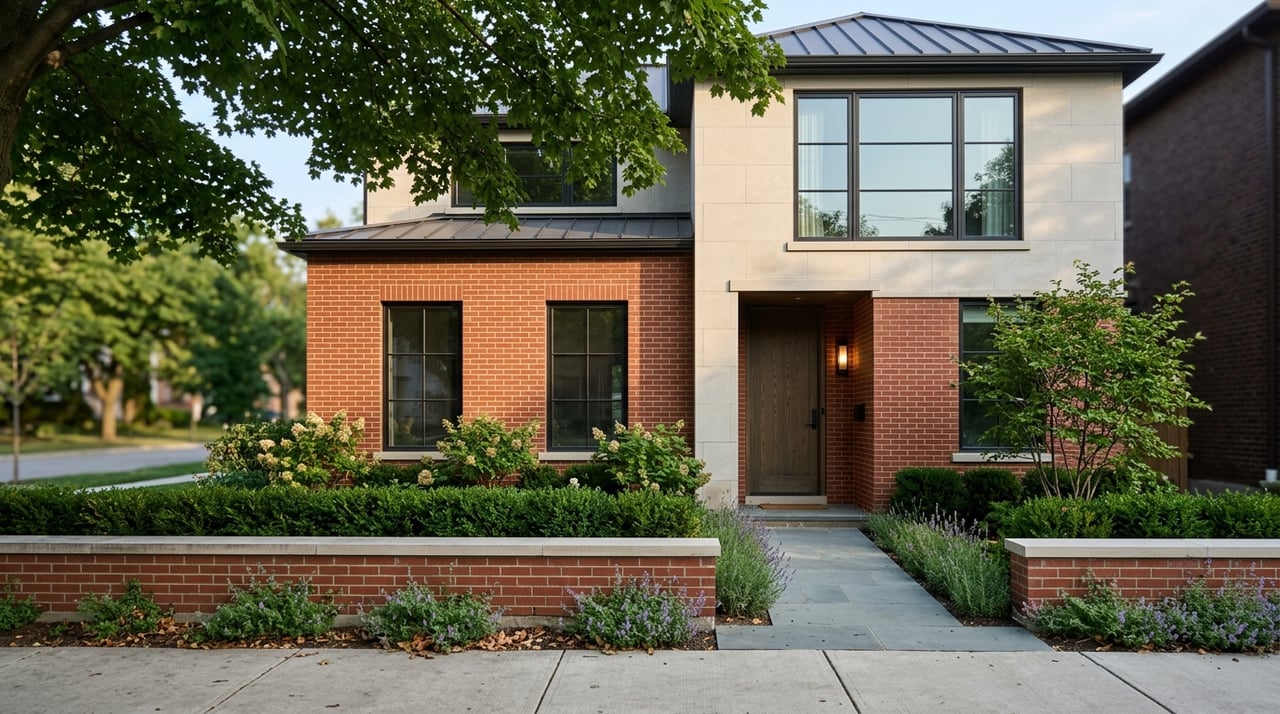
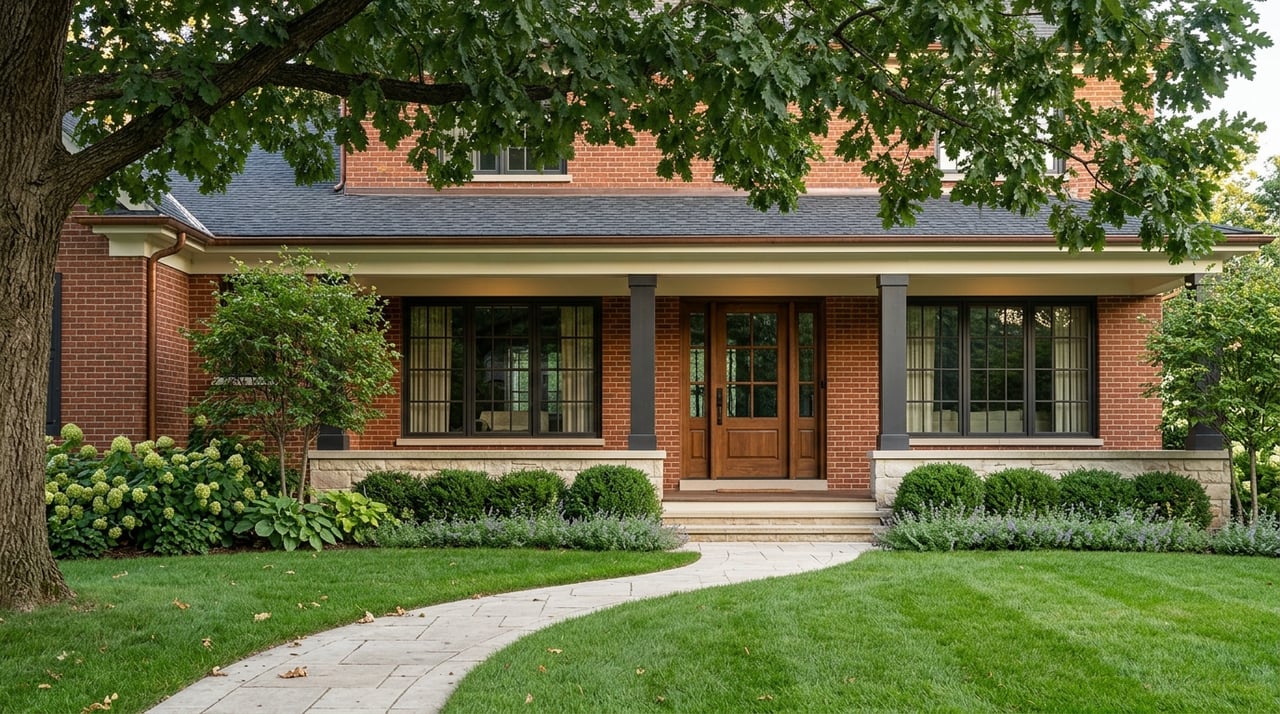
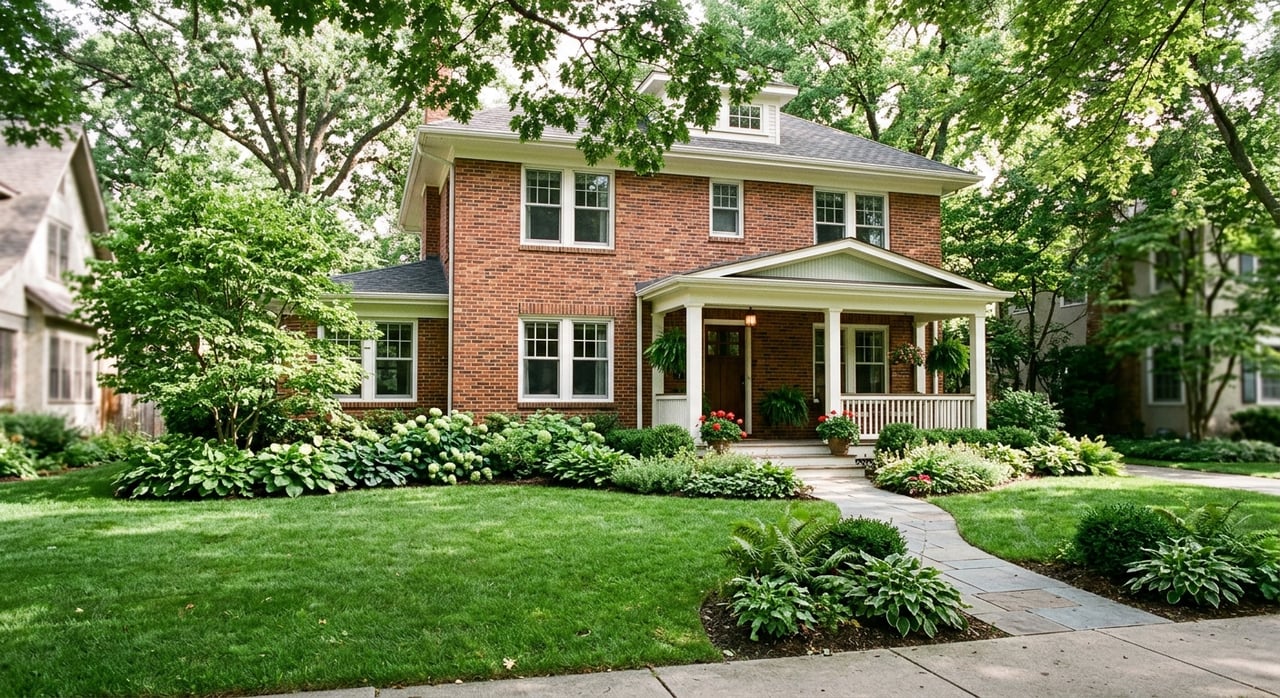
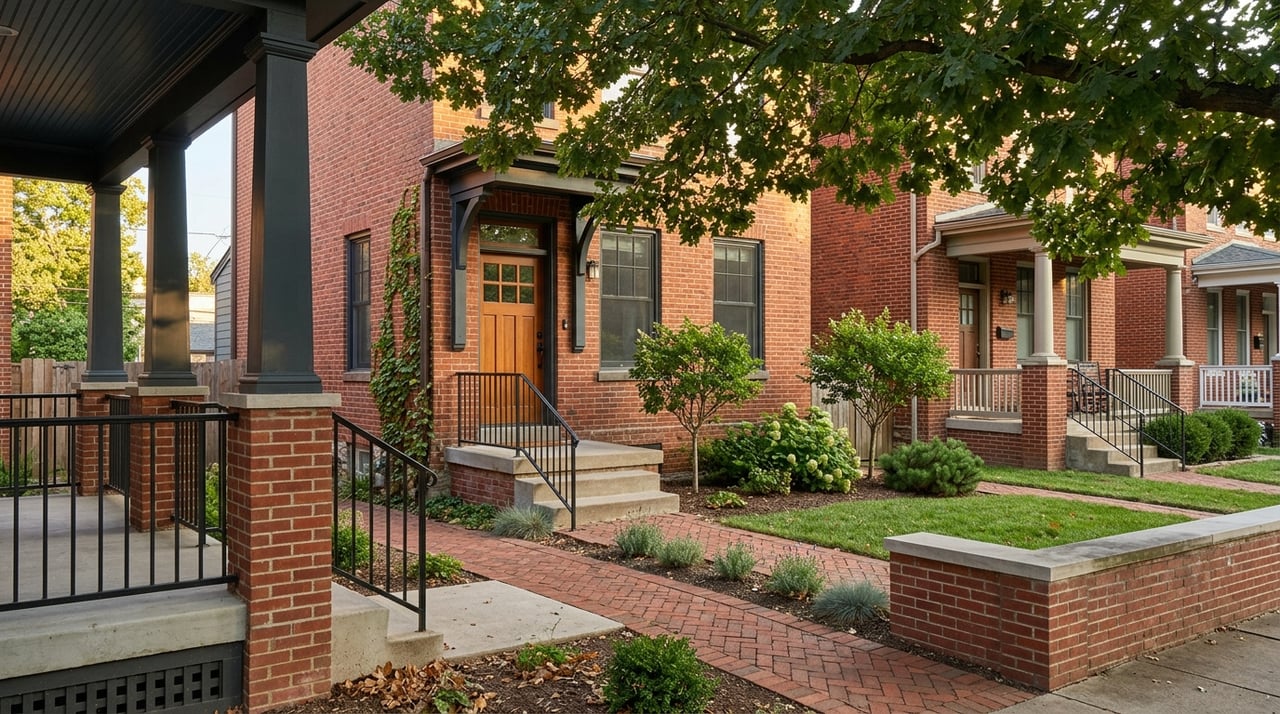
That range creates flexibility for different lifestyles and priorities. If you want a detached home near parks and services, Lowry offers that. If you prefer an attached home or lower-maintenance option with access to Town Center amenities, the neighborhood’s housing mix supports that too.
For buyers relocating within Denver or moving to the city from out of state, that variety can be especially helpful. It gives you more ways to match your housing choice with how you actually want to live day to day.
Getting Around Lowry
Lowry’s convenience extends beyond walking. The neighborhood has multiple bus stops, with lines 6, 73, and 10 providing access to downtown and north-south routes. The neighborhood also notes that riders can bike to bus stops and place bikes on the bus.
That multi-modal access adds flexibility, especially if your routine includes commuting, downtown meetings, or trips to other parts of Denver. Even if you drive most of the time, having transit options nearby can make a neighborhood more adaptable over time.
Who Might Like Lowry Most
Lowry can appeal to several types of buyers because it brings together housing variety, outdoor space, and a concentrated commercial core. You may find it especially appealing if you value convenience without giving up neighborhood character.
Here are a few reasons buyers often look closely at areas with this kind of setup:
- You want restaurants, coffee, services, and groceries close to home.
- You value parks, trails, and recreation as part of your regular routine.
- You appreciate a neighborhood with historic identity and cultural anchors.
- You want choices across single-family, attached, and multifamily housing.
- You prefer a community that supports both walking and transit access.
What to Consider Before You Buy
Lowry offers a lot, but the right fit depends on your priorities. Some buyers focus first on being close to Town Center and its errands-oriented convenience. Others may care more about access to parks, trail connections, or a specific housing style.
Because the neighborhood includes different property types and evolving areas like Boulevard One, it helps to compare micro-locations within Lowry rather than treating the entire area as one uniform experience. A thoughtful home search should line up the property, the block, and the lifestyle together.
That is where experienced local guidance can make a difference. When you understand how a neighborhood functions beyond the listing photos, you can make a more confident decision.
If you are considering a move to Lowry or comparing it with other central Denver neighborhoods, working with a team that understands both lifestyle fit and property nuance can save time and sharpen your search. Connect with Julie Egan and Sallie Grewe for personalized guidance on Lowry homes and Denver neighborhood options.
FAQs
What is Lowry Town Center in Denver?
- Lowry Town Center is a walkable open-air retail and service hub at 200 Quebec Street in Lowry, with restaurants, shops, fitness, personal services, and a connection to Safeway.
What kinds of amenities are near Lowry Town Center?
- The area includes dining, coffee, grocery access, fitness studios, spa services, pet services, specialty retail, dental care, eye care, and regular events and promotions.
What outdoor amenities does the Lowry neighborhood offer?
- Lowry includes a large network of parks and recreation features such as Great Lawn Park, Crescent Park, Lowry Dog Park, sports facilities, trails, natural areas, a golf course, a recreation center, and an ice arena.
What types of homes are available in Lowry, Denver?
- Lowry’s housing mix includes single-family homes, duplexes, condos, apartments, townhomes, and newer residential options connected to Boulevard One.
Is Lowry a good neighborhood for buyers who want transit access?
- Lowry has multiple bus stops, with lines 6, 73, and 10 offering access to downtown and north-south routes, plus the option to bike to stops and bring bikes on the bus.